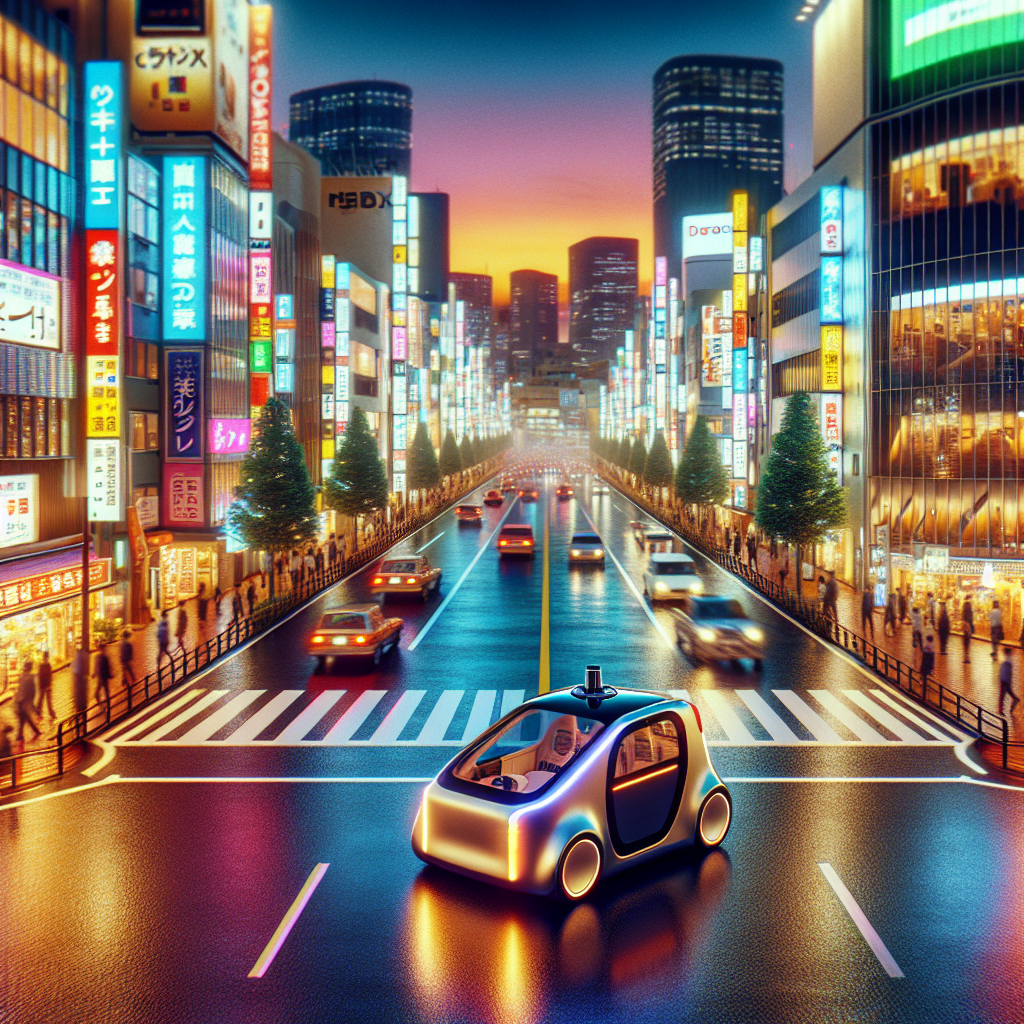
Nuro Tests Autonomous Vehicle Technology on Tokyo’s Streets
Introduction: What Is Nuro Testing, and Why Should You Care?
Imagine living in a world where goods are delivered to your doorstep by a fully autonomous vehicle—no human driver required. It sounds futuristic, but the future is getting closer. Nuro, a pioneer in autonomous delivery vehicles, has taken its next big step: testing its cutting-edge technology on the dynamic and densely populated streets of Tokyo. What does this mean for the future of transportation and delivery? And what challenges does this new environment present? Read on as we delve deeper into Nuro’s latest venture.
Why Tokyo’s Streets Are a Unique Challenge for Nuro
When it comes to autonomous vehicle testing, Tokyo presents an extraordinary challenge. As one of the most populous urban centers in the world, its streets are bustling with pedestrians, cyclists, and an intricate mix of cars, scooters, and delivery trucks. The maze of narrow lanes, unpredictable traffic behavior, and complex navigation scenarios set Tokyo apart as a proving ground for autonomy.
Nuro’s move to test its technology on Tokyo streets indicates significant confidence in its systems. David Estrada, Nuro’s Chief Legal and Policy Officer, expressed excitement about tackling the obstacles posed by Japan’s urban environment: “Operating in Tokyo will allow us to sharpen our ability to adapt to a uniquely dense and fast-paced urban landscape.”
Understanding Nuro’s Autonomous Vehicle Technology
Specialized Design for Delivery
Unlike autonomous vehicles designed to transport humans, Nuro’s focus is entirely on logistics and delivery. Its vehicles are compact, devoid of seats, and equipped with compartments specifically designed for carrying goods. This enables Nuro to offer a uniquely tailored service that prioritizes efficiency and safety.
Innovative Features
- Advanced Sensor Systems: Nuro’s vehicles are equipped with LiDAR, cameras, and radar for 360-degree vision, allowing them to safely navigate complex traffic scenarios.
- Electric-Powered Efficiency: The company emphasizes sustainability by utilizing electric power, reducing emissions compared to traditional delivery methods.
- Zero-Passenger Design: Eliminating the need for driver accommodation enables a smaller footprint, ideal for tight urban spaces like those in Tokyo.
What Sets Nuro Apart from Other Autonomous Players?
While the industry for autonomous vehicles continues to grow, Nuro distinguishes itself by focusing solely on goods delivery rather than passenger transport. Rival companies like Waymo and Tesla concentrate heavily on human ride-hailing services, which introduce a different set of regulatory and logistical challenges. By narrowing its scope, Nuro aims to perfect its delivery systems and expand in a steadily growing market segment.
Nuro’s partnerships also set a precedent. In the United States, the company has already established relationships with major brands like Walmart and Domino’s Pizza to deliver groceries and meals. Tokyo testing is a natural progression for its international ambitions.
Read more about the rise of autonomous delivery vehicles here.
Potential Implications for Urban Areas
Will Autonomous Delivery Reduce Traffic Congestion?
One of the primary goals behind deploying autonomous delivery vehicles in dense metro areas is the potential to alleviate traffic congestion. By eliminating the need for human-operated delivery vehicles, Nuro could enable more precise route management and reduce unnecessary stops, helping urban centers like Tokyo streamline their logistics networks.
Safety in a Crowded City
Safety is always a concern when introducing new technology. Nuro has heavily invested in creating safety-first systems, including the onboard sensors that allow vehicles to anticipate and react to rapid changes in their environment. Testing in Tokyo will be a key indicator of how well these systems perform in real-world scenarios.
For deeper insights into the safety standards of autonomous vehicles, click here.
Future Opportunities and Challenges
As Nuro continues to test its technology in Tokyo, numerous opportunities come into focus. If successful, this pilot program could pave the way for broader adoption of autonomous delivery vehicles in other Asian cities, as well as globally. However, regulatory hurdles, cultural adaptation, and public perception will inevitably challenge Nuro as it proceeds with this ambitious endeavor.
Moreover, the competitive landscape for autonomous delivery is heating up, with several startups and established companies vying for dominance. Staying ahead in innovation and operational efficiency will be crucial for Nuro’s continued success.
Conclusion: What Does This Mean for the Future?
Nuro’s decision to test its autonomous vehicle technology on Tokyo’s streets signifies a major step forward for both the company and the field of robotics as a whole. As cities grow increasingly congested and consumer demand for rapid delivery climbs, innovative solutions like Nuro’s could redefine logistics as we know it. If Nuro’s trial succeeds in this challenging environment, it could mark the beginning of a new era in urban delivery systems.
The potential applications are vast, from reducing emissions to creating a more seamless and efficient commerce infrastructure. What remains to be seen is how Nuro will address regulatory, technical, and societal challenges as it progresses. Only time will tell if this futuristic vision will fully realize its potential.
If you’re as excited about cutting-edge robotic technology as we are, consider signing up for our weekly newsletter where we dive deeper into the latest innovations shaping our world.
No responses yet