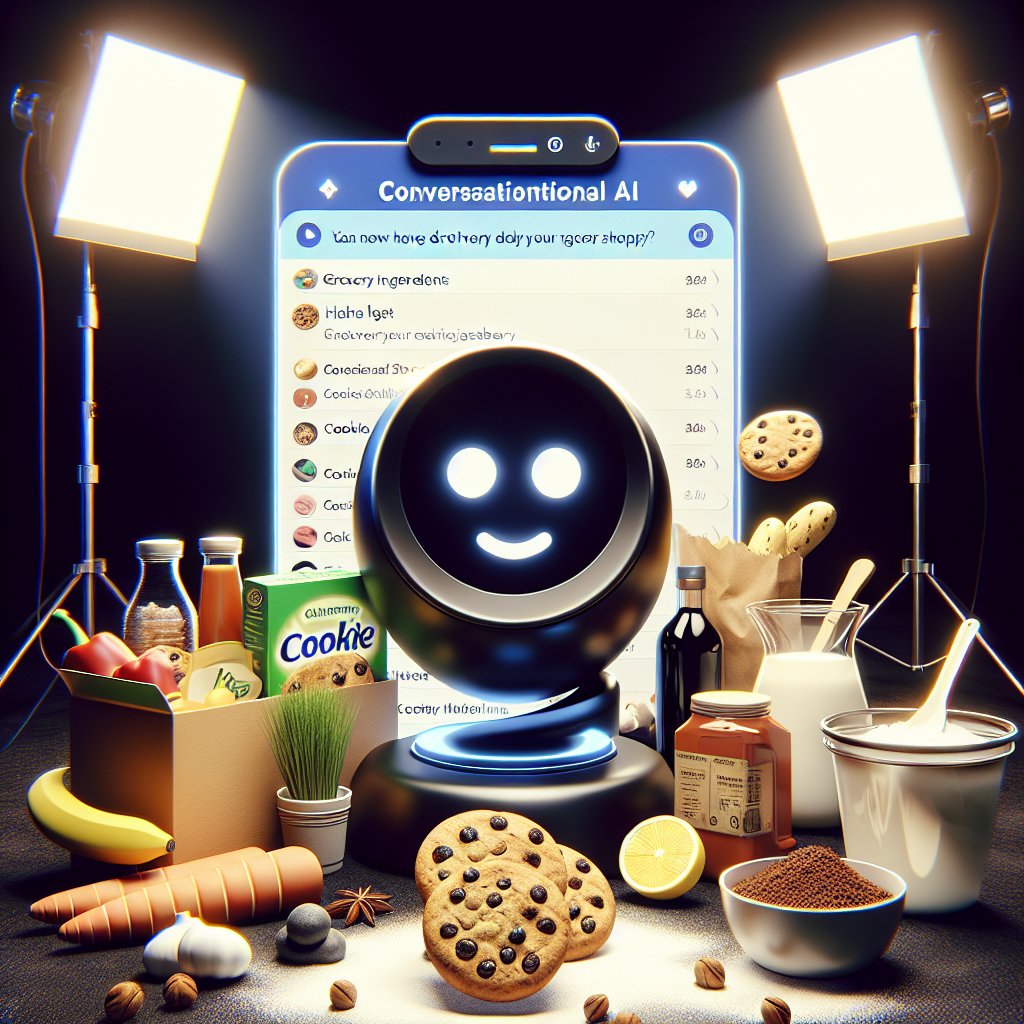
Instacart and ChatGPT Integration: Revolutionizing Online Grocery Shopping
Is Chatbot-Assisted Grocery Shopping the Future?
Imagine a scenario where you decide to bake cookies, but you’re unsure if you have all the ingredients at home. What if you could simply ask a chatbot to build a shopping list and have the items delivered to your doorstep within minutes? This futuristic idea has become a reality thanks to the integration of Instacart and ChatGPT. But how well does it actually work, and what are its broader implications for the online shopping landscape?
If you’re intrigued by this blend of convenience and artificial intelligence, keep reading as we delve into a hands-on review of this new approach to grocery shopping and its transformative potential.
How Does Instacart’s ChatGPT Integration Work?
The Basics of the Integration
Instacart, a leading online grocery delivery platform, partnered with OpenAI to integrate ChatGPT, enabling users to find and order groceries directly through conversational interactions. By using GPT-based technology, the system allows users to interact as if they are chatting with a knowledgeable personal assistant.
Here’s how it works:
- Simply ask ChatGPT a question or provide a request, such as, “What ingredients do I need to bake chocolate chip cookies?”
- The chatbot will generate a list of required items based on your query.
- With seamless integration, you can immediately add these items to your Instacart shopping cart.
- The system connects with Instacart’s network of local stores to arrange fast delivery—often within minutes, depending on your location.
The result is a hassle-free way to manage grocery shopping, particularly for those with specific needs or a lack of time to browse.
The Hands-On Experience
A recent hands-on test by ZDNet showcased the platform’s real-world performance. The author tested the integration by requesting cookie ingredients. ChatGPT provided a detailed ingredient list, all of which were available for immediate add-to-cart through Instacart. Within moments, an order was placed, and ingredients were on their way.
The convenience of receiving personalized suggestions, coupled with the efficiency of the Instacart delivery network, highlights the potential for this technology to streamline the lives of home cooks, busy professionals, and anyone keen to simplify grocery shopping.
Advantages and Challenges of ChatGPT-Driven Shopping
Why This Integration Stands Out
The merging of AI-driven chatbots with e-commerce offers several advantages:
- Convenience: No need to manually search for individual items or browse through categories.
- Personalization: ChatGPT can adapt its suggestions based on dietary preferences, allergies, or specific requests.
- Efficiency: Orders are processed quickly and synced with local grocery providers for rapid delivery.
- Ease of Use: The conversational interface is intuitive, even for less tech-savvy users.
Potential Drawbacks
While the integration offers significant convenience, there are challenges to consider:
- Accuracy of Suggestions: Depending on the complexity of a request, ChatGPT might occasionally misinterpret user intentions or provide incomplete lists.
- Limited Availability: Delivery speed and selection depend on Instacart’s local partner stores, which may vary by location.
- Privacy Concerns: Some users may hesitate to share detailed grocery needs or dietary information with an AI-powered system.
These issues may diminish as the technology improves and as users become more accustomed to interacting with AI platforms.
Broader Implications for AI in Ecommerce
Blurring the Lines Between AI and Retail
The partnership between Instacart and ChatGPT is just one example of how AI is transforming online shopping. From personalized recommendations to automated customer support, artificial intelligence is playing an increasing role in shaping consumer experiences. This integration demonstrates that AI-driven e-commerce solutions are not just theoretical concepts but practical tools that simplify everyday tasks.
Future Trends
As AI technology evolves, we can expect to see greater integration of chatbot interfaces in various retail sectors. Imagine booking travel, finding restaurants, or managing personal finances through similar conversational workflows. Companies that invest in AI now will likely stay ahead by anticipating and meeting consumer needs in innovative ways.
Closing Thoughts: Could This Change the Way You Shop?
The collaboration between Instacart and OpenAI represents a significant shift in how technology can make daily tasks easier. By enabling users to order groceries via ChatGPT, the companies have created a seamless, user-friendly shopping experience. For those who value time, personalization, and convenience, this integration could redefine how we interact with online services.
However, as with all technology, the effectiveness of this innovation will depend on its ability to overcome challenges like accuracy and accessibility. It is a promising step forward, but not without room for growth.
Ready to try it yourself? Head to Instacart’s website or explore ChatGPT integrations to experience the future of AI-driven shopping today.
No responses yet