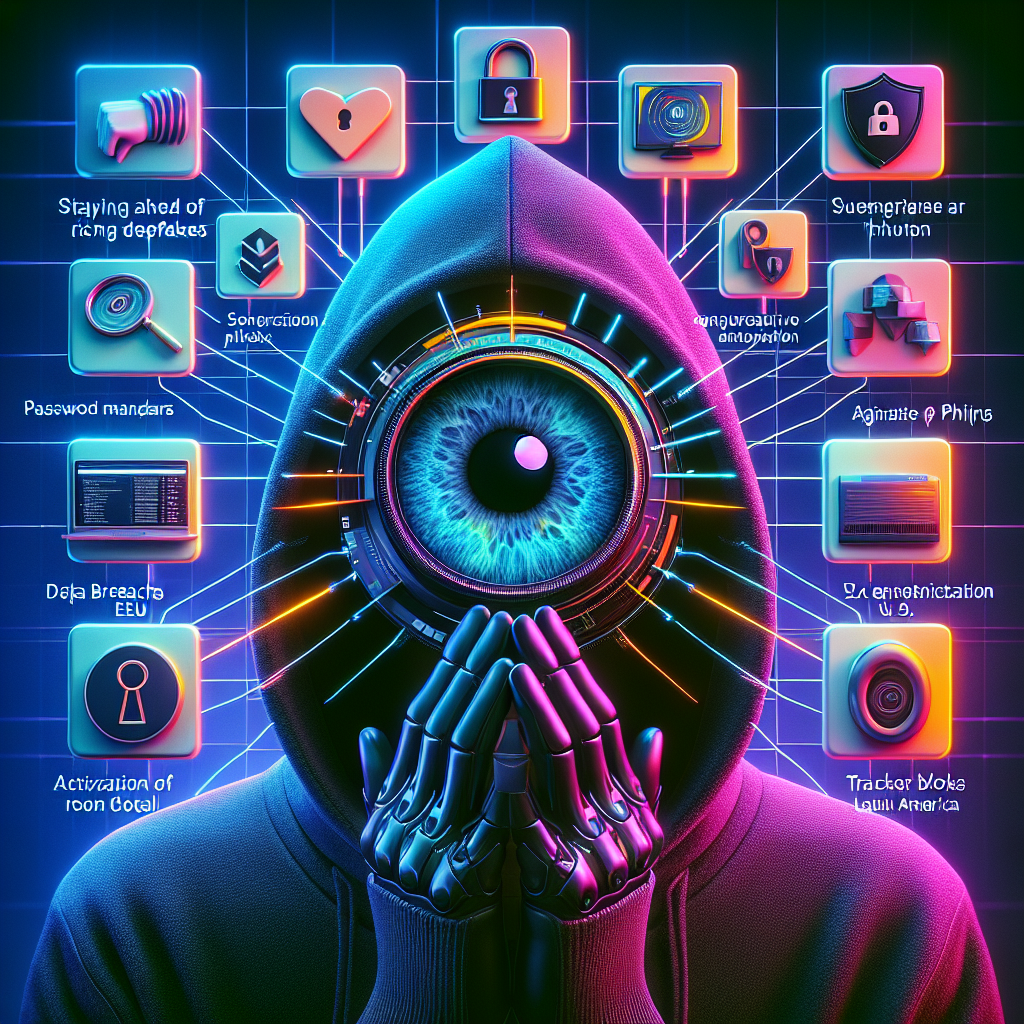
How to Protect Your Personal Data Online in the Age of AI and Deepfakes
Introduction: Are Your Personal Data and Online Privacy Safe?
In today’s age of artificial intelligence and advanced digital threats, safeguarding your personal data is more critical than ever. From AI-generated deepfakes to sophisticated phishing schemes, our digital security is under a constant state of siege. But what steps can you take to stay ahead of these evolving threats?
If you’ve ever wondered how to prevent your data from falling victim to the next big data breach or AI-powered scam, this guide is here to help. We’ll cover actionable strategies and tools to enhance your digital privacy while navigating the complex challenges brought about by AI advancements.
Understanding Today’s AI-Powered Threats
What Are Deepfakes and How to Spot Them
Deepfakes are AI-generated videos or images that convincingly mimic real people. These can be weaponized for misinformation campaigns or to impersonate individuals for malicious purposes. Common signs of deepfakes include unusual blinking patterns, mismatched lighting, and unnatural facial movements.
To avoid falling for deepfakes, leverage tools like Deepware Scanner, which analyzes suspicious videos for signs of AI manipulation.
Generative Phishing: The New Era of Fraud
AI has revolutionized phishing, enabling cybercriminals to generate highly convincing fake emails, texts, or even calls. Known as generative phishing, these scams exploit familiarity and urgency to trick victims into revealing sensitive information.
- Scrutinize unexpected messages, even if they appear to come from trusted contacts.
- Hover over links before clicking to verify their legitimacy.
- Consider installing phishing detection tools like MailGuard.
Essential Tools and Practices to Fortify Your Digital Privacy
Activate Data Breach Alerts
Knowing when your data has been compromised is vital. Services like HaveIBeenPwned and Google Alerts can notify you if your email or personal data has been exposed in known breaches.
Strengthen Passwords with Trusted Managers
Weak passwords are an open invitation to hackers. Use password managers such as LastPass or 1Password to generate and store complex, unique passwords securely.
- Enable two-factor authentication (2FA) on critical accounts.
- Opt for hardware security keys like YubiKey for extra protection.
Secure Your Internet Connection
Encrypting your internet traffic can shield you from online snooping. Consider using a VPN provider like ExpressVPN or NordVPN, which anonymize your IP address and block trackers.
Additionally, consider deploying browser extensions that block trackers, like Privacy Badger or DuckDuckGo Privacy Essentials.
Stay Informed About Digital Privacy Legislation
Governments worldwide have introduced frameworks to address privacy violations. In Europe, the General Data Protection Regulation (GDPR) ensures companies handle personal data responsibly. Similarly, the U.S. features regulations like the CCPA in California, while Latin America is embracing new data privacy laws, such as Brazil’s LGPD.
Staying up-to-date with these evolving regulations is essential. Regularly check resources like digital rights organizations such as Electronic Frontier Foundation for updates.
Practical Steps You Can Take Today
- Run a personal data check on HaveIBeenPwned and respond to breaches immediately.
- Update your passwords and enable two-factor authentication on your key accounts.
- Install a phishing detection or ad-blocking tool on your browser.
- Protect sensitive communications through encrypted apps like Signal.
- Use a VPN regularly to ensure safe browsing on public Wi-Fi networks.
Conclusion: Stay Vigilant in the Digital Age
The rapid advancements of AI and digital technology have amplified the risks to personal data security, but they have also ushered in innovative tools and strategies to counter these threats. By staying informed, leveraging reliable software, and adopting good cybersecurity practices, you can protect your personal data in this ever-evolving digital landscape.
Want to dive deeper into enhancing your digital security? Click here to explore our comprehensive guide on advanced digital privacy tools and techniques.
No responses yet