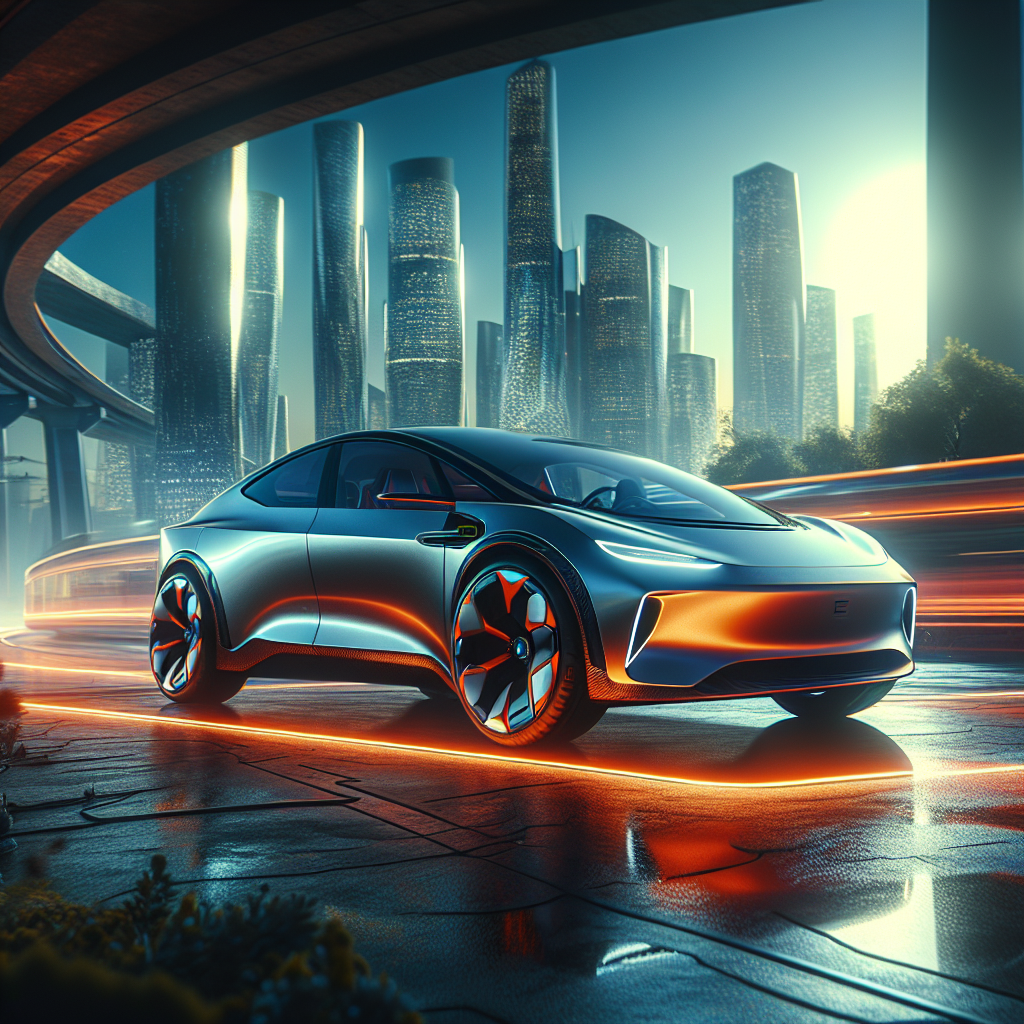
Rivian R2 Unveiled: Will It Dominate the Affordable EV Market?
The Future of Electric Vehicles: What Is Rivian’s New Strategy?
Electric vehicle (EV) enthusiasts have their eyes set on Rivian, a brand that has consistently pushed the boundaries of innovation. During TechCrunch Mobility 2023, Rivian unveiled its long-awaited R2 platform, a project that signals the company’s entry into the affordable EV market. But what makes Rivian’s R2 such a game-changer, and why should every tech-savvy investor, driver, and sustainability advocate keep tabs on this development?
With its flagship vehicles, the R1T truck and the R1S SUV, already setting benchmarks for luxury and performance in the EV sector, Rivian now seeks to bring that expertise to a broader audience through the R2 lineup. This leap begs the question—how does Rivian intend to balance affordability, quality, and sustainability?
Breaking Down the Rivian R2 Platform
Affordable EVs Without Compromising Quality
Unlike the high-ticket R1T and R1S, the R2 platform targets affordability, aiming to cater to the mid-tier EV market. According to Rivian CEO RJ Scaringe, the R2 lineup will feature “accessible vehicles that still carry Rivian’s premium DNA.” While pricing details remain under wraps, analysts speculate that the R2 models could start under $40,000, competing with popular EVs like the Tesla Model 3 and Hyundai Ioniq 5.
Compact Design for a Broader Market
The R2 vehicles are expected to feature a more compact design, optimized for urban environments while maintaining Rivian’s signature rugged appeal. Riding on a new scalable electric vehicle architecture, the R2 promises a compelling mix of range, performance, and design aesthetics.
Sustainability Beyond Electric Power
Rivian has long been a proponent of sustainability, relying on renewable energy in their manufacturing processes and prioritizing eco-friendly materials. The R2 series will likely continue this tradition, incorporating recyclable materials and energy-efficient production techniques. This aligns perfectly with Rivian’s broader environmental goals.
The Market Challenge: Affordable EVs Are a Crowded Space
Breaking into the affordable EV segment is no small feat, especially with established competitors like Tesla dominating the market. Additionally, brands such as Ford, Kia, and Volkswagen are already making strides in this sector. Rivian will need to rely on its distinct brand identity, advanced technology, and commitment to sustainability to set itself apart.
- Pricing Pressures: Rivian will need to find the sweet spot between affordability and profitability. Competing in this segment means operating on thinner margins, which could challenge Rivian’s growth strategy.
- Consumer Expectations: The R1T and R1S have set a high bar for luxury and capability. How well Rivian can translate these elements to a more budget-friendly model is a point of considerable interest.
- Infrastructure Development: As Rivian introduces more affordable models, expanding charging networks and service centers will become pivotal for sustained growth.
Rivian’s Strategic Moves: Funding and Manufacturing
Building a new EV platform requires significant resources. Rivian’s recent capital injections and partnerships with key industry players suggest that the company is strategically positioned to scale production efficiently.
Furthermore, Rivian announced plans to expand its manufacturing capacity with a new facility in Georgia, which will focus on producing the R2 lineup. This move aims to streamline logistics and bring down production costs, a necessary step for competing in the affordable EV arena.
For a deeper dive into automaker logistics, visit TechCrunch’s automotive insights.
What This Means for the EV Industry
The R2 lineup signifies more than just a new product—it represents Rivian’s ambition to become a household name. By venturing into the affordable EV space, Rivian aims to democratize access to high-quality electric vehicles, challenging traditional automakers and pioneering a new era of eco-conscious mobility.
This strategy aligns with industry-wide trends, such as the global push for sustainability and governments mandating stricter emissions regulations. Rivian’s R2 could mark a turning point, particularly in markets like North America and Europe, where demand for affordable EVs is surging.
Conclusion: Is the Rivian R2 a Risk Worth Taking?
The Rivian R2 platform, unveiled at TechCrunch Mobility 2023, is undoubtedly a bold step for the company. By targeting a more affordable price range, Rivian has the potential to reach a much broader audience—all while maintaining its reputation for quality and sustainability.
However, executing this strategy isn’t without challenges. Rivian must balance affordability with quality, navigate stiff competition, and scale up its infrastructure. Yet, if Rivian’s track record is any indication, the R2 platform could very well redefine the standards of the mid-tier EV market.
Interested in learning more about advancements in automotive technology? Don’t miss our latest analysis on EV innovation.
No responses yet