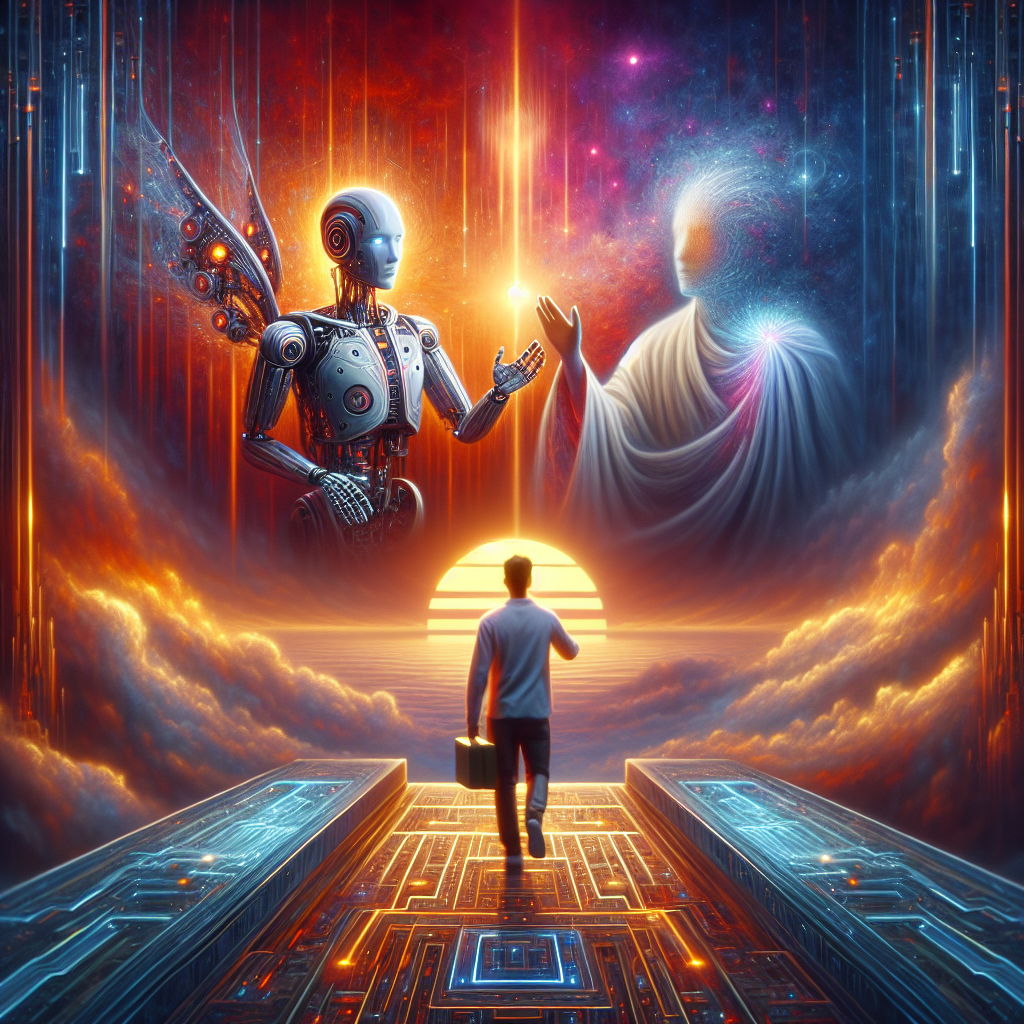
Why Science Fiction Writers and Comic-Con Are Saying Goodbye to AI
The Debate Over AI in Creative Industries
In a bold move that has sparked debate across the tech and creative communities,
prominent science fiction writers and organizers of the iconic Comic-Con have decided
to distance themselves from AI-generated content. But what led to this decision, and
what implications does it hold for the broader creative industry?
With AI tools such as ChatGPT and MidJourney revolutionizing content creation, the creative
sphere faces a profound question: Should artificial intelligence be embraced or held back in
certain domains? This article delves into the motivations behind this shift, the challenges
posed by AI, and what the future may hold.
Why Science Fiction Writers Are Pushing Back
Science fiction, as a genre, often thrives on exploring the uncanny intersection of technology
and humanity. It’s perhaps ironic, then, that many authors in this realm oppose the rising
presence of AI in creative work. Concerns range from the ethical use of AI to its implications
for originality and authorship.
AI and the Question of Creativity
AI-generated text and imagery often rely on training datasets that include existing work,
raising questions of intellectual property. Writers argue that technology lacks the genuine
human experiences and emotions critical to storytelling. Margaret Atwood, a celebrated author
in the sci-fi community, has voiced concerns, stating that “human creativity should remain at
the center of all creative endeavors.”
Protecting Authors’ Rights
Another pressing issue is the risk AI poses to intellectual property rights. In some cases,
AI companies have been accused of using copyrighted material to train their algorithms
without permission—a breach authors believe could undermine the value of original work.
Learn more about authors’ intellectual property challenges here.
Comic-Con: A Haven for Human Creativity
Comic-Con, known as the world’s premier gathering for pop culture enthusiasts, has also taken a
stand by prohibiting AI-generated submissions for its art and creative writing contests. The event’s
organizers stated, “We are committed to maintaining a space where human creativity shines and
thrives.”
Why This Decision Matters
Comic-Con’s stance sends a powerful signal amid growing fears that AI may replace artists, writers,
and other creatives. By prioritizing human-made content, the event doubles down on its support
for originality—a value long celebrated by attendees. Similar efforts to curb AI’s influence
have been seen in other sectors of the creative industry.
The Role of Community Feedback
Attendees and fans have widely applauded this decision, seeing it as a step towards preserving
the authenticity of the Comic-Con experience. Lines are being drawn in the sand, with many creative
circles following suit.
Challenges and Opportunities Ahead
While many hail these decisions, others argue it’s counterproductive to ban AI outright. The
technology does provide remarkable tools for mitigating tedious work, enhancing productivity,
and sparking new ideas. Advocates for AI believe that striking a balance—embracing AI as a
complementary tool rather than a replacement—might be the real way forward.
Future Implications
The debate over AI in creative industries is far from over. If managed judiciously, AI could
play a key role in collaboration while ensuring originality and authorship remain protected.
The conversation draws attention to the need for regulations and ethical standards guiding AI
use in the creative world.
Read about emerging AI regulations here.
Conclusion: Creativity and Technology Must Coexist
As the dust settles, the decisions taken by science fiction writers and Comic-Con organizers
underline a critical point: creativity is, at its core, human. While AI offers promising avenues
for exploration, its use in creative fields must be carefully navigated to ensure that
authenticity and originality justly prevail.
The broader takeaway here isn’t simply about opposing technology; it’s about striking a balance
that respects human ingenuity while harnessing AI’s potential in responsible ways.
What do you think about AI’s role in creative industries? Share your thoughts and join the
conversation.
Discover more insights about emerging technology on our news and trends page.
No responses yet