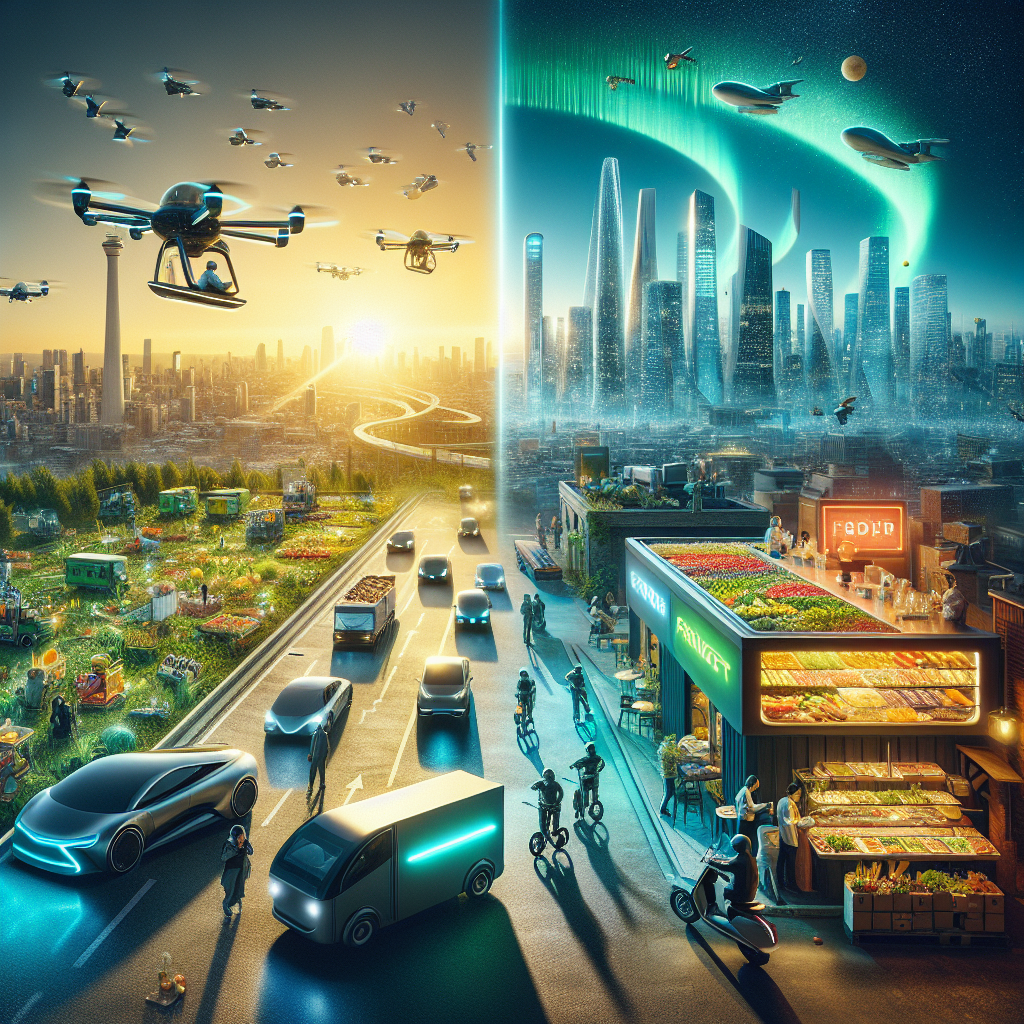
Uber Everywhere, All at Once: How Uber is Conquering the Future of Mobility
Introduction: The Future of Mobility Revolves Around Uber
Have you ever wondered what the future of transportation looks like? Imagine a world where mobility is seamless, where everything from hailing a ride to delivering food is integrated into a single platform. At the TechCrunch Mobility event, Uber unveiled its latest strategies, hinting at its ambitious plan to dominate the future of mobility. But what does this mean for the ridesharing giant, and how will it impact you as a consumer?
Uber, famously known for revolutionizing the taxi industry, isn’t stopping there. In its quest to innovate and expand, the company is diving into new territories within mobility. Keep reading to unlock the full scope of Uber’s vision and what it might mean for your future travels.
Uber’s Grand Vision: Expanding the Mobility Ecosystem
During the TechCrunch Mobility summit, Uber shared its vision for an all-encompassing transportation ecosystem. The idea is simple yet bold: Uber is aiming to be “everywhere, all at once,” connecting diverse forms of transportation under its app. This includes ride-hailing services, public transportation integrations, food and grocery deliveries, and potentially even autonomous vehicles.
- Uber’s ride-sharing service continues to expand globally in urban and suburban areas.
- The Uber Eats platform is gaining traction with new features and restaurant partnerships.
- Public transportation integrations are being tested to offer seamless multi-modal transportation options.
- Investments in autonomous vehicle technology signal a push towards the future of mobility.
Such a comprehensive strategy not only diversifies Uber’s service offerings but also helps position the company as a leader in the smart mobility revolution.
Key Innovations: What Sets Uber Apart?
Uber’s strategy isn’t just about expanding services; it’s about introducing groundbreaking innovations. According to data shared at the event:
1. Integrating Various Modes of Transportation
Uber is working on a functional integration of ride-hailing, public transit options, and micromobility (e-scooters and bikes) to provide users with end-to-end transportation solutions. This will allow a user to plan, book, and pay for different forms of travel within a single interface.
2. Focus on Sustainability
The company highlighted its commitment to sustainability and green energy adoption. Electric and hybrid vehicles are becoming a larger part of the Uber fleet, aligning with global efforts to reduce emissions.
3. A Growing Role for Automation
Uber’s ongoing partnerships with technology firms have accelerated its experiments with self-driving cars. While full autonomy may take time to mature, Uber is signaling that automation is a crucial aspect of its long-term vision.
For additional information about Uber’s tech innovations, read about their latest newsroom updates.
Challenges Uber Faces in the Move Toward Dominance
Of course, no ambitious plan comes without its hurdles. As promising as its future might appear, Uber faces significant challenges:
Regulatory Barriers
In many regions, regulatory issues pose obstacles, particularly concerning autonomous vehicle testing or labor disputes involving drivers.
Competition
Companies like Lyft, DoorDash, and regional ridesharing platforms are closely competing, making market dominance a daunting task.
Technology and Infrastructure Gaps
The adoption of technologies such as electric vehicles or AI-powered logistics heavily relies on infrastructure and consumer readiness, which vary significantly by region.
If you’re interested in learning about ride-sharing competitors and their technologies, check out these key Lyft updates.
What This Means for the Consumer
As Uber expands and innovates, the positive impacts for customers are evident. Imagine a world where you can book an electric vehicle, connect with public transit, and have groceries delivered—all from a single app. Uber’s ecosystem aims to offer us:
- More convenience with fewer apps and coordinated schedules.
- Eco-friendlier options through a sustainable fleet.
- Potential cost savings through bundling of services.
But with these advantages come concerns about data privacy and consumer dependency on a single platform. As Uber plays a bigger role in mobility, its accountability for consumer concerns will undoubtedly come under scrutiny.
Conclusion: Uber’s Potential to Redefine Mobility
In conclusion, Uber’s announcement at TechCrunch Mobility reveals a company poised to lead the future of transportation. Its vision of seamlessly integrating multiple services under a single platform is a bold step forward but comes with challenges related to technology, regulation, and competition.
So, what’s next? As Uber continues to innovate, the mobility space will undergo significant transformations, and the way we commute and connect may look completely different in the near future. Whether for convenience or sustainability, Uber is evidently pushing boundaries, making its tagline “Uber everywhere” more of a reality than a slogan.
Ready to explore more about the future of transportation technologies? Check out this resource to stay ahead of the curve.
No responses yet