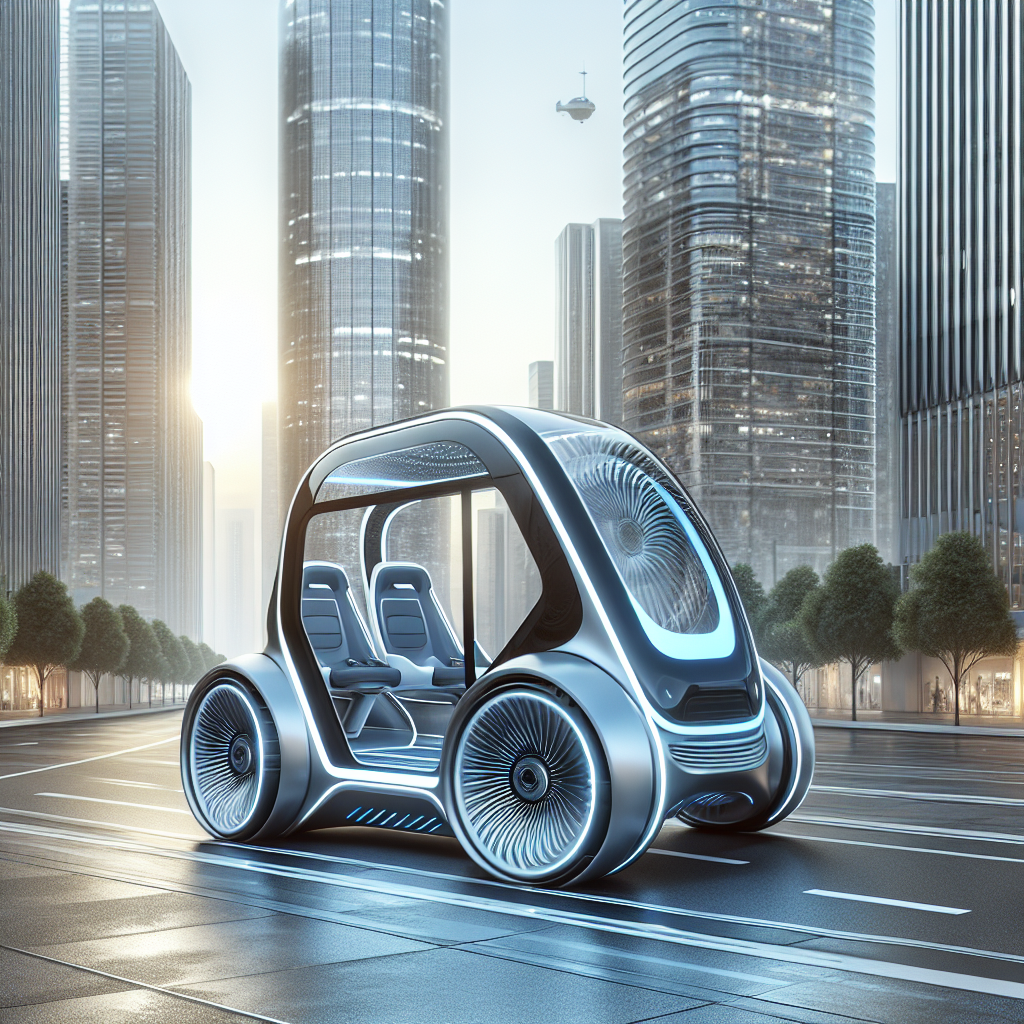
Tesla to Launch Cybercab Production in April: Revolutionizing Urban Mobility
Is urban transportation on the brink of a futuristic transformation? Tesla’s latest announcement might make you wonder. Elon Musk, Tesla’s visionary CEO, recently confirmed that production of the Cybercab—a fully electric and autonomous ride-hailing vehicle—will begin in April 2025. But what makes the Cybercab such a watershed moment in transportation, and why should you care? Let’s dive into what this means for the future of mobility.
What is the Tesla Cybercab?
The Tesla Cybercab is more than just another electric vehicle (EV). Described as a pivotal innovation in urban transportation, it combines Tesla’s cutting-edge design with autonomous driving features to provide a seamless ride-hailing experience. Drawing inspiration from the company’s iconic Cybertruck, the Cybercab boasts a futuristic aesthetic with angular lines, sustainable materials, and incredible efficiency. Here are some key highlights of the Cybercab:
- Fully Electric: Powered entirely by Tesla’s advanced battery technology, offering zero-emission rides.
- Autonomy: Includes Tesla’s Full Self-Driving (FSD) capabilities for safe and efficient navigation.
- Eco-Friendly Design: Built with recyclable materials and energy-efficient systems.
- Shared Economy Model: Designed primarily for ride-hailing platforms rather than private ownership.
Why the Cybercab Could Redefine Urban Mobility
According to the International Energy Agency (IEA), the global transition to EVs is accelerating, with major cities adopting policies to phase out internal combustion engines. Tesla’s Cybercab fits into this broader movement and could dramatically improve the way we navigate cities. Here’s how:
1. Reducing Congestion and Emissions
Electric ride-hailing fleets like the Cybercab aim to curb both urban traffic congestion and greenhouse gas emissions, offering a sustainable solution for densely populated cities.
2. Lower Transportation Costs
Autonomous shared vehicles are expected to bring down per-mile travel costs, making transportation more affordable for commuters.
3. Enhancing Accessibility
With 24/7 availability and no human driver limitations, the Cybercab could provide a flexible mobility option for individuals in underserved urban and suburban regions.
For those interested in other sustainable transportation technologies, check out our guide on current EV trends.
Production Timeline and Rollout
According to Musk, the Cybercab will enter production at Tesla’s Giga Texas facility by April 2025, where the company has already ramped up manufacturing for its other EV models like the Cybertruck. Initial units will serve ride-hailing markets in cities that already support autonomous vehicle testing, including Austin, San Francisco, and parts of Europe.
By 2026, Tesla expects to scale production globally, focusing on regions that actively invest in smart city initiatives and EV adoption incentives.
Challenges Ahead
While the Cybercab promises significant advancements, it’s not without challenges. Autonomous vehicle technology still faces regulatory hurdles in many countries. Furthermore, Tesla will need to navigate potential supply chain issues and meet high demand for its EV batteries. Strong partnerships with governments and technology providers will be key to overcoming these obstacles.
What This Means for Tesla and the EV Market
With the Cybercab, Tesla is solidifying its leadership in the EV market while expanding into new territory: shared mobility. As competitors like Waymo and Cruise work on their autonomous fleets, Tesla is doubling down on its ability to integrate sleek design, cutting-edge technology, and sustainability into a single offering. But whether the Cybercab will dominate the market remains to be seen.
For a deeper dive into Tesla’s other ventures and technology, explore our latest article on Tesla’s global EV impact.
Should You Be Excited About the Cybercab?
Absolutely—and here’s why: Tesla’s Cybercab goes beyond simply getting from point A to point B. It represents a leap toward a sustainable, automated transportation ecosystem. Whether we’re talking about environmental benefits, cost savings, or technological breakthroughs, the Cybercab could set new standards for urban mobility.
Conclusion: Are We Ready for the Cybercab Era?
As we approach April 2025, Tesla’s Cybercab gives us a glimpse into what the future of transportation could look like. From its autonomous capabilities to its focus on sustainability, the Cybercab embodies a bold step forward in redefining urban mobility. Still, its success will ultimately depend on how Tesla navigates operational challenges and regulatory requirements.
Whether you’re a city planner, a tech enthusiast, or a frequent commuter, the Cybercab’s development raises compelling questions about how we’ll get around in the future. The real question remains: Are we ready for this next chapter in transportation innovation?
Stay tuned for more updates, and don’t forget to check out our in-depth resources on sustainable mobility and autonomous technology!
No responses yet