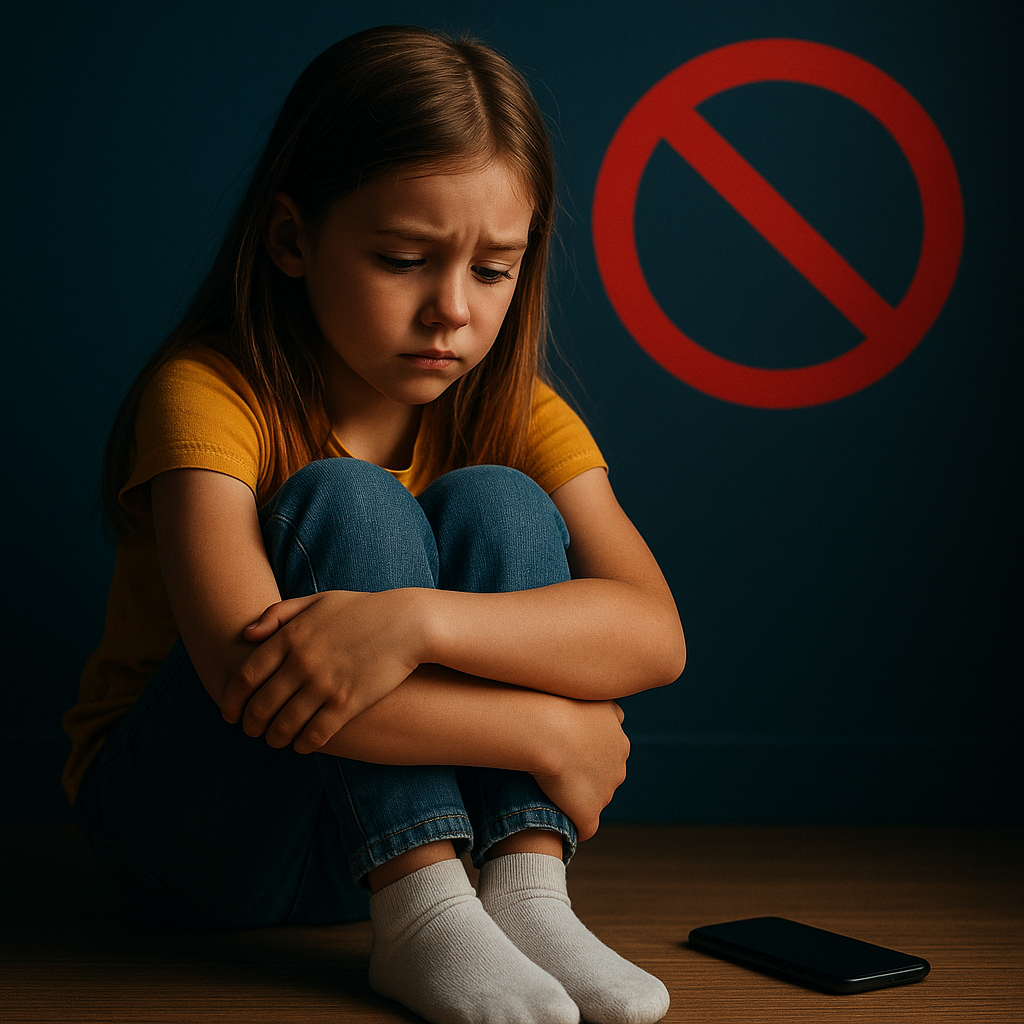
Countries Moving to Ban Social Media for Children: What You Need to Know
The Debate Over Social Media Access for Children
Should children be allowed free access to social media? It’s a question sparking global debate as more countries move to restrict or outright ban children from engaging with popular platforms. With growing concerns over mental health, cyberbullying, and data privacy, a wave of policies targeting younger users is gaining momentum. But what drives these decisions, and how might they reshape online interactions for future generations? Read on to discover how governments are rewriting the rules of digital engagement for younger users.
Countries Taking Action Against Social Media for Children
Several nations are leading the charge in limiting social media for children, citing rising concerns about the negative influence of platforms like Instagram, TikTok, and Snapchat. Let’s examine some of these pioneering countries:
1. United States
In the United States, many states are considering or have already passed legislation to protect children on social media platforms. For example, Utah and Arkansas have introduced laws requiring parental permission for minors to create social media profiles. There is also growing bipartisan support at the federal level for stricter regulations concerning minors’ social media access.
2. France
France recently passed a law prohibiting children under the age of 13 from joining social media without explicit parental consent. Authorities argue this measure is necessary to curb harmful content and improve children’s online safety.
3. United Kingdom
The UK government is revising its age-appropriateness guidelines for digital services. Tech companies may soon face stringent penalties if they fail to enforce age restrictions effectively. This builds upon the nation’s existing framework under the UK’s Online Safety Act.
4. China
China continues to enforce some of the world’s most restrictive digital policies for minors, including usage caps and mandatory educational content. In certain regions, new proposals suggest extending bans on underage users from engaging with entertainment-driven apps entirely.
The Reasons Behind These Laws
Governments aren’t banning or limiting social media for children arbitrarily. These actions are based on well-documented research and troubling trends, including:
- Mental Health Concerns: Platforms like Instagram have been linked to increased levels of anxiety, depression, and body dissatisfaction in teens.
- Cyberbullying Epidemic: Studies show that minors are more likely to fall victim to online harassment, creating long-term emotional and psychological harm.
- Privacy Risks: Children often unintentionally share sensitive information, making them targets for exploitation and scams.
- Exposure to Harmful Content: Inappropriate videos, fake news, and extreme challenges have repeatedly gone viral, endangering impressionable minds.
By imposing restrictions, lawmakers hope to create a safer digital landscape where educational and social benefits of online engagement are maximized while mitigating risks.
How Tech Companies Are Responding
As governments tighten regulations, tech platforms are being forced to innovate. Here are some of the responses from big players in the digital world:
- Parental Controls: Platforms like TikTok and Meta (Instagram, Facebook) have introduced enhanced parental guidance features.
- Age Verification: Companies are investing in Artificial Intelligence (AI) tools to more accurately verify ages, though these measures sometimes face criticism for privacy concerns.
- Content Moderation: Significant improvements in algorithmic filtering aim to reduce the visibility of harmful content to younger audiences.
However, critics argue that these measures often fail to address the core issues and that further government oversight may be necessary.
How This Affects Families and Educators
For parents and teachers, these changes create new challenges and opportunities. While restrictive measures might give children more time to engage in real-world activities, they also spur debates about how to teach digital literacy effectively.
Experts recommend that parents take this opportunity to foster open conversations about online safety and create family-driven guidelines for social media. Resources such as Common Sense Media offer valuable advice on navigating the complexities of digital parenting.
Want to Protect Your Child from Online Risks?
Navigating social media policies for kids can be overwhelming. If you’re uncertain about how to shield your child from digital dangers, take a proactive approach. Learn more about parental control apps that empower you to monitor, manage, and limit screen time in a child-friendly manner.
For an in-depth guide on the best parental control tools, check out our comprehensive review of parental control software.
Conclusion: A Growing Global Trend
As governments across the world take steps to curb children’s access to social media, the conversation around digital responsibility will undoubtedly intensify. While these measures aim to protect younger users, their long-term effects on digital inclusion, education, and development remain uncertain.
The critical takeaway is this: policymakers, tech platforms, and families must work together to strike a balance between safety and freedom in the digital age.
Are these moves the beginning of a massive global shift or just a trend within select countries? Only time will tell.
No responses yet