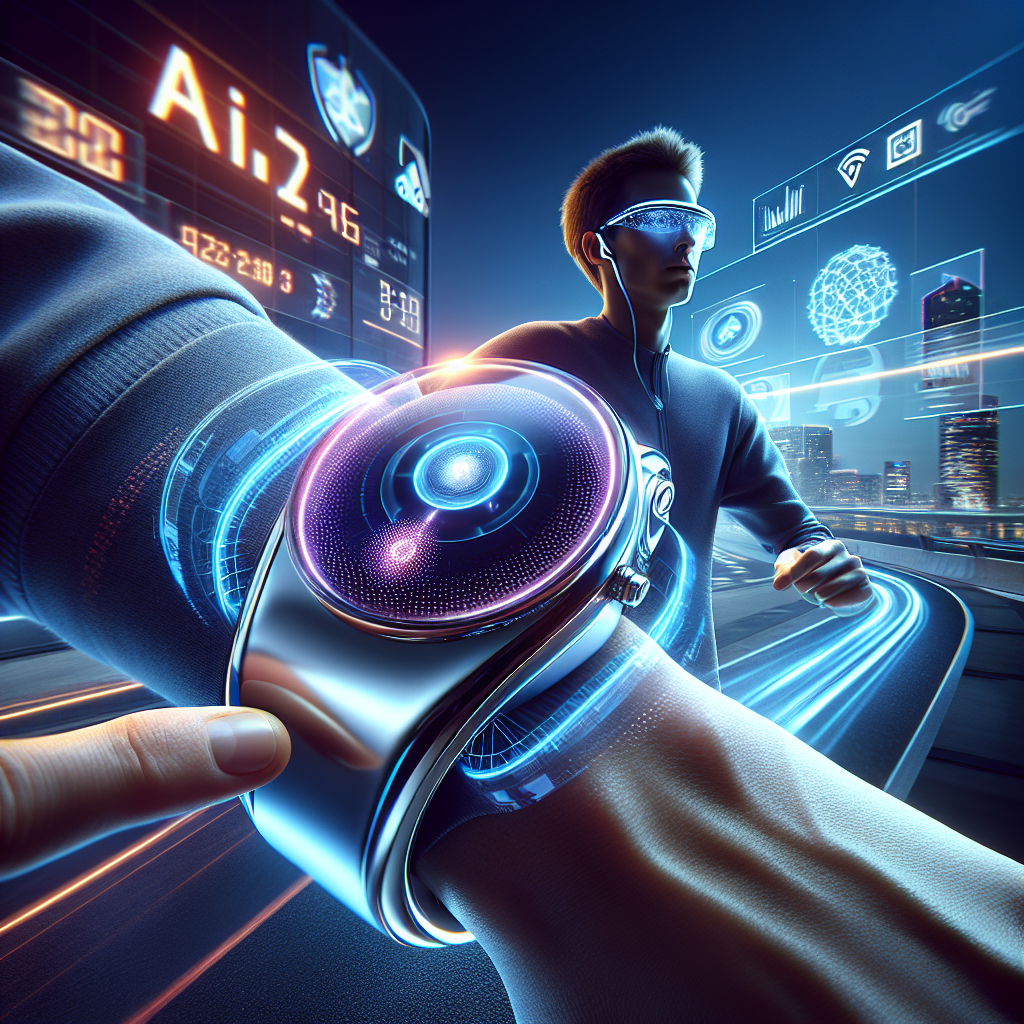
Apple Developing AI Wearable: A Bold Challenge to OpenAI
In a move that could significantly reshape the wearable technology landscape, Apple is reportedly developing an AI-powered wearable device, setting its sights on competing directly with advancements from OpenAI. But what does this mean for the future of artificial intelligence in consumer tech—and could this device redefine Apple’s significant influence in the tech space? Let’s dive into the details.
Apple’s Foray into the AI Wearables Market
According to a recent report, Apple is quietly working on an artificial intelligence (AI)-infused wearable. While specific details about the product remain scarce, its potential significance lies not just in its hardware, but in Apple’s AI integration strategy. The move aligns with Apple’s broader goals of leveraging AI to further personalize and enhance user experiences.
The wearable market, dominated by devices like smartwatches and fitness trackers, might be on the brink of a paradigm shift. With AI at the core, this rumored product could offer capabilities beyond health monitoring and notifications: think proactive assistance, real-time adaptation, and seamless integration with Apple’s ecosystem.
Why Now? Apple’s Strategic Response to OpenAI
OpenAI’s groundbreaking work with tools like ChatGPT has pushed AI front and center in technological innovation. Tech giants such as Google, Microsoft, and even Amazon are all ramping up their AI development efforts. Apple, refusing to be left behind, appears eager to solidify its footing in this rapidly growing space. By introducing an AI-powered wearable, Apple could potentially leapfrog competitors in merging hardware innovation with advanced AI functionalities.
The Competitive Edge of Apple’s Ecosystem
Unlike standalone AI products, an Apple AI wearable would seamlessly connect to its existing ecosystem, spanning iPhones, iPads, Macs, and HomePods. Users could see improvements in work productivity, accessibility, and even new features mirroring OpenAI’s conversational intelligence, with the added benefit of tight ecosystem integration. This synergy mirrors previous strategic successes Apple has enjoyed, such as the Apple Watch transforming the smartwatch space.
Moreover, Apple’s emphasis on privacy and security could be a key differentiator as consumer data concerns grow. If marketed effectively, this angle could give Apple a serious edge in convincing users to trust its AI solutions over competitors’.
What Might the AI Wearable Look Like?
While Apple has yet to release official specs or designs, industry speculation points toward a wearable that builds on AI tools to anticipate user needs. What might this look like in practice? Here are some potential features:
- Health Insights: Beyond tracking steps or heart rate, this wearable could predict potential health risks, analyze user habits, and offer actionable advice in real-time.
- Personal Assistant Integration: Like Siri but on steroids—a wearable that understands context, predicts user preferences, and interacts proactively.
- Augmented Reality (AR) Potential: Combined with AR glasses or headsets, it could serve as an interface or extension for hands-free computing and immersive experiences.
By blending intuitive AI-driven features with Apple’s signature design and user experience philosophy, this device could set a new standard for the wearable tech industry.
The Broader Implications of AI Wearables
Introducing AI-powered wearables is not just about innovation; it’s about reshaping how we interact with technology daily. With increasing reliance on AI, Apple’s wearable could redefine personalized technology while fostering advances in areas such as healthcare, education, and productivity.
Potential Risks and Concerns
However, there are challenges to consider. AI wearables raise questions about:
- User data security and how personal information will be processed and stored.
- The affordability of such advanced devices—a barrier that often limits widespread adoption.
- The ethical considerations of AI, especially in its ability to predict and potentially influence user decisions.
Apple’s success in navigating these challenges will determine the true impact of its AI wearable.
What Does This Mean for Other Tech Leaders?
If Apple delivers an industry-disrupting wearable, competitors will likely accelerate their innovations in response. For example:
- Google: With its Pixel lineup and AI-first philosophy, Google might push its wearables division further.
- Meta: Known for its focus on AR/VR, Meta could adopt more AI functionalities in its devices.
- Microsoft: This could prompt more aggressive integrations in enterprise-focused AI wearables.
As the battle lines between hardware and software-focused AI experiences blur, collaboration or competition among these companies could shape the future direction of technology.
Takeaway: A Glimpse into the Future
While the details of Apple’s AI wearable remain speculative, the potential implications are significant. As Apple eyes a bold challenge to OpenAI and other competitors, consumers may see the dawn of a new era where technology integrates more deeply and intelligently into our lives.
Stay Updated
If you’re intrigued by the possibilities of AI in wearable technology, be sure to check out our future of AI wearables guide. Explore how each tech company is shaping the next generation of gadgets.
No responses yet