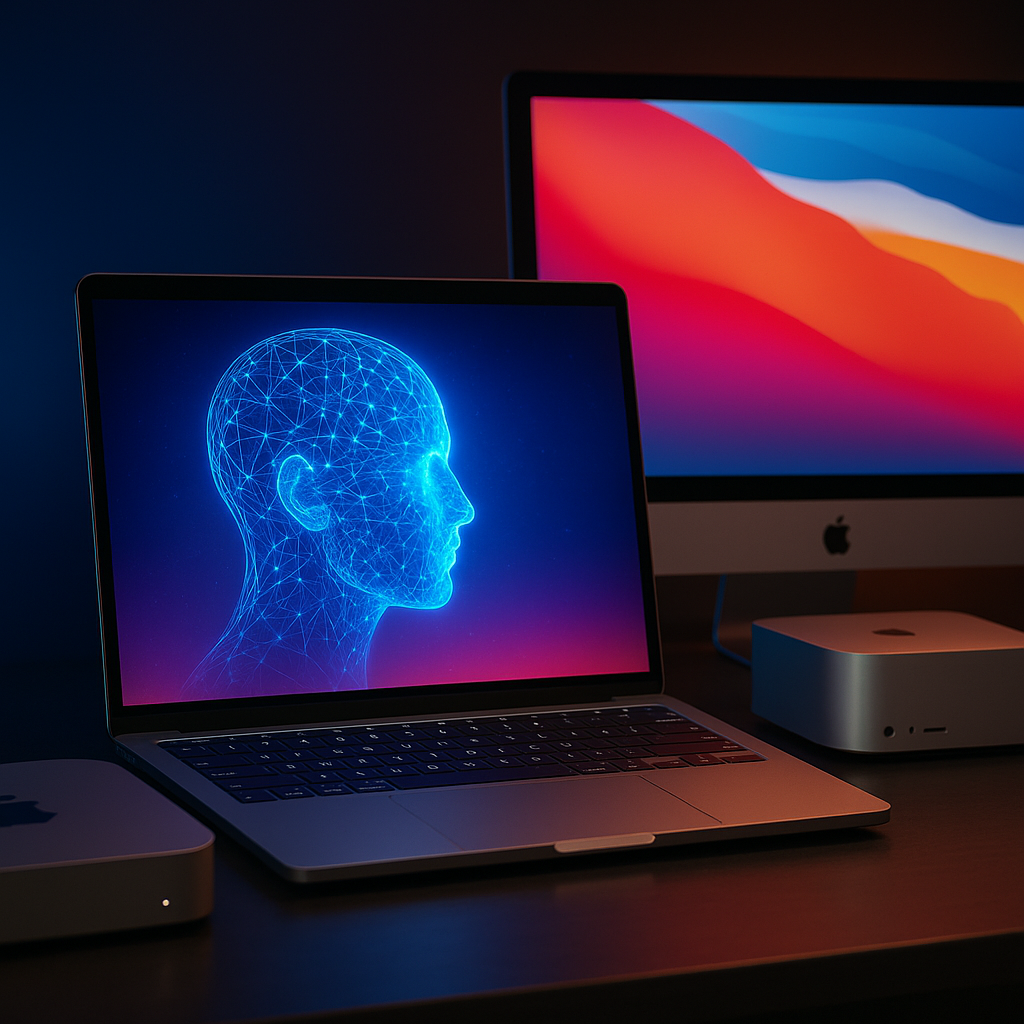
Apple Faces Surprise Surge in AI-Driven Demand for Macs
Discover why the rise of artificial intelligence is boosting demand for Macs and how Apple is adapting to this unexpected trend.
Why Has AI Increased Demand for Macs?
Artificial Intelligence (AI) has revolutionized industries, influencing everything from content creation to software development. However, few anticipated the direct impact AI would have on hardware trends, particularly the demand for Apple Macs.
The surge in AI-driven demand stems from Macs’ reputation for superior hardware performance, seamless software integration, and optimized efficiency for resource-intensive tasks like machine learning and AI model training. Professionals and power users are increasingly gravitating toward Apple’s ecosystem for these capabilities.
Key Drivers Behind the Trend
While Apple likely anticipated some growth in Mac sales, the scale of this demand appears to have caught even the tech giant off guard. Here’s what’s fueling the boom:
- Performance and Optimization: The M-series chips, particularly the M2 and M2 Pro, are praised for their speed and efficiency in handling complex processing tasks.
- Software Compatibility: macOS is increasingly favoured for running AI-specific frameworks like TensorFlow, PyTorch, and Apple’s own Core ML technology.
- Remote Collaboration: AI’s rise also supports more remote work scenarios, where Macs are commonly chosen for their reliability and functionality in virtual workflows.
- Content Creation Trends: AI tools for video editing, photo manipulation, and digital design align perfectly with the creative industries heavily using Macs.
These elements collectively amplify the appeal of Apple systems for both professionals leveraging AI and ordinary users adopting AI-integrated applications.
Apple’s Response to the AI Hardware Boom
Despite its advanced product roadmap, Apple didn’t foresee the explosive demand linked directly to AI. Reports suggest this unexpected trend has pushed the company to revise production plans and further innovate around AI-optimized hardware and software.
One of Apple’s responses has been a renewed focus on improving chips specifically for AI tasks. The rumored M3 chip, for instance, is speculated to come equipped with even greater capabilities for machine learning and handling neural engines. Furthermore, Apple’s ongoing integration of generative AI across its ecosystem, from Siri to productivity tools, strengthens its relevance in this space.
What This Means for the Tech Industry
The ripple effects of the AI-driven demand for Macs extend beyond Apple. Competitors are likely taking note of the trend and doubling down on creating AI-ready hardware solutions. For instance, chip manufacturers like NVIDIA and AMD are already tailoring products for AI workloads. Meanwhile, Microsoft has been integrating AI deeply into Windows through applications like Copilot.
Interestingly, smaller players in the tech industry might benefit from the rising wave of AI demand. Peripheral manufacturers, for instance, could see increased sales of AI-friendly high-resolution monitors, external GPUs, or other complementary devices optimized for creative and technical workflows.
Should You Invest in a Mac for AI?
If you’re considering whether to upgrade your hardware for AI tasks, Macs may indeed be a frontrunner option. With consistently evolving AI-focused features and a solid track record for performance, Apple’s machines are well-suited for developers, creatives, and technical professionals capitalizing on AI capabilities.
However, it’s essential to weigh your specific needs. Macs might dominate in performance, but PCs with custom-built specs can still provide value for certain AI workflows while maintaining a lower entry cost. For those already immersed in Apple’s ecosystem, though, upgrading to a newer Mac may unlock seamless integration with its updated software offerings.
Future Implications
The ongoing trend suggests that AI is not merely a software or research revolution—it’s shaping consumer preferences at the hardware level too. As companies pivot to meet demand, the broader tech landscape may see a more tailored approach to hardware innovation where AI-readiness becomes the standard feature, not an extra.
As for Apple, its ability to adapt to unforeseen demands validates its agility and focus on innovation. The company’s proactive steps in embracing AI will likely solidify its market leadership and possibly influence the trajectory of future technology development.
No responses yet