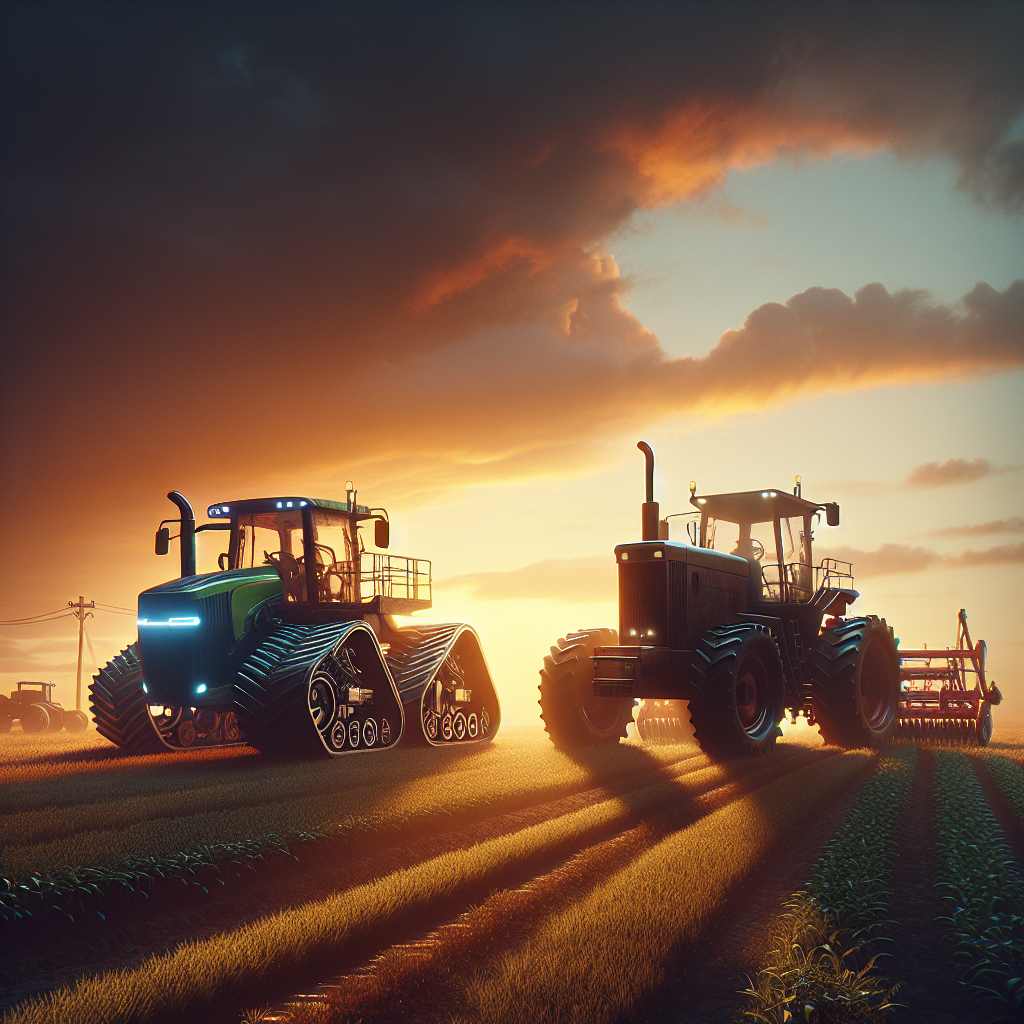
Caterpillar Acquires Monarch Tractor: What It Means for Agricultural Technology
What happens when a promising innovator in the smart agriculture space suddenly collapses? The recent acquisition of Monarch Tractor by Caterpillar has sparked significant buzz in the agricultural technology sector. But what does this mean for the future of autonomous and environmentally friendly machinery? Let’s delve into the implications of this deal and how it reshapes the landscape of farming technology.
Who is Monarch Tractor?
Monarch Tractor, a California-based pioneer in electric and autonomous farming technology, captured headlines with its innovative solutions for sustainable agriculture. Its flagship product, the all-electric and driver-optional Monarch MK-V, boasted features like precision farming, artificial intelligence integration, and drastically reduced carbon emissions.
Yet, despite the company’s technological advancements, financial difficulties led to its collapse earlier this year. Monarch Tractor’s inability to scale production and compete with larger players in an increasingly saturated market paved the way for its acquisition.
Caterpillar: A Global Technology Leader for Heavy Machinery
Caterpillar, a household name in industrial machinery and construction equipment, wasted no time in taking advantage of this opportunity. Known for its stronghold in construction, mining, and energy solutions, Caterpillar has increasingly shifted its focus toward sustainable and high-tech agricultural solutions in recent years.
With Monarch Tractor’s assets now under its wing, Caterpillar is set to enhance its capabilities in electric tractors and precision farming. This move aligns closely with the global shift toward sustainability and automation in agriculture.
For more insights into agriculture tech, check our article on smart farming innovations.
Why Does This Acquisition Matter?
The Monarch Tractor-Caterpillar deal isn’t just another business transaction; it marks a pivotal moment in the agricultural technology field. Here’s why it matters:
1. Advancement in Autonomous Tractors
Monarch Tractor’s expertise in developing autonomous tractors with AI-based functionalities gives Caterpillar a robust platform to further expand into precision agriculture. Automating routine tasks not only improves efficiency but also reduces operational costs for farmers.
2. Focus on Sustainability
Electric tractors like Monarch’s MK-V play a crucial role in reducing greenhouse gas emissions, a growing concern in the agricultural sector. By incorporating Monarch’s technology, Caterpillar positions itself as a leader in sustainable farming solutions.
3. Greater Competition in the Market
With Monarch’s innovative technology blending into Caterpillar’s global infrastructure, competitors such as John Deere will likely face increasing challenges. This could spur higher industry-wide investments in research and development for green technologies.
What This Means for Farmers
Farmers stand to benefit significantly from the technologies that may emerge from this acquisition. With Caterpillar’s resources backing Monarch’s innovations, we could see:
- Affordable, high-performance electric tractors.
- Integrated platforms for farm management, enabling real-time data analysis.
- Reduced operational costs through automation and sustainability-focused solutions.
Would you like to stay informed about how technology impacts agriculture? Don’t miss our comprehensive guide on farming technology trends.
Challenges Ahead
While the acquisition signals new opportunities, challenges remain. Transitioning Monarch’s innovative but nascent technology into scalable solutions may take time. Additionally, regulatory and market dynamics could affect how quickly new products reach the market.
Nonetheless, Caterpillar’s global reach and strong R&D capabilities position it well to address these challenges.
The Road Ahead for Agricultural Innovation
The Monarch Tractor acquisition is more than a business move; it is a statement about the future direction of agricultural tech. With Caterpillar at the helm, we can expect a wave of innovation emphasizing sustainability, autonomy, and practical solutions for farmers worldwide.
Whether you’re a tech enthusiast, a farmer, or part of the agricultural supply chain, this acquisition reflects the larger trend of integrating advanced technologies into traditional industries. If you’re curious about other advancements, visit our library of articles on agri-tech innovations.
No responses yet