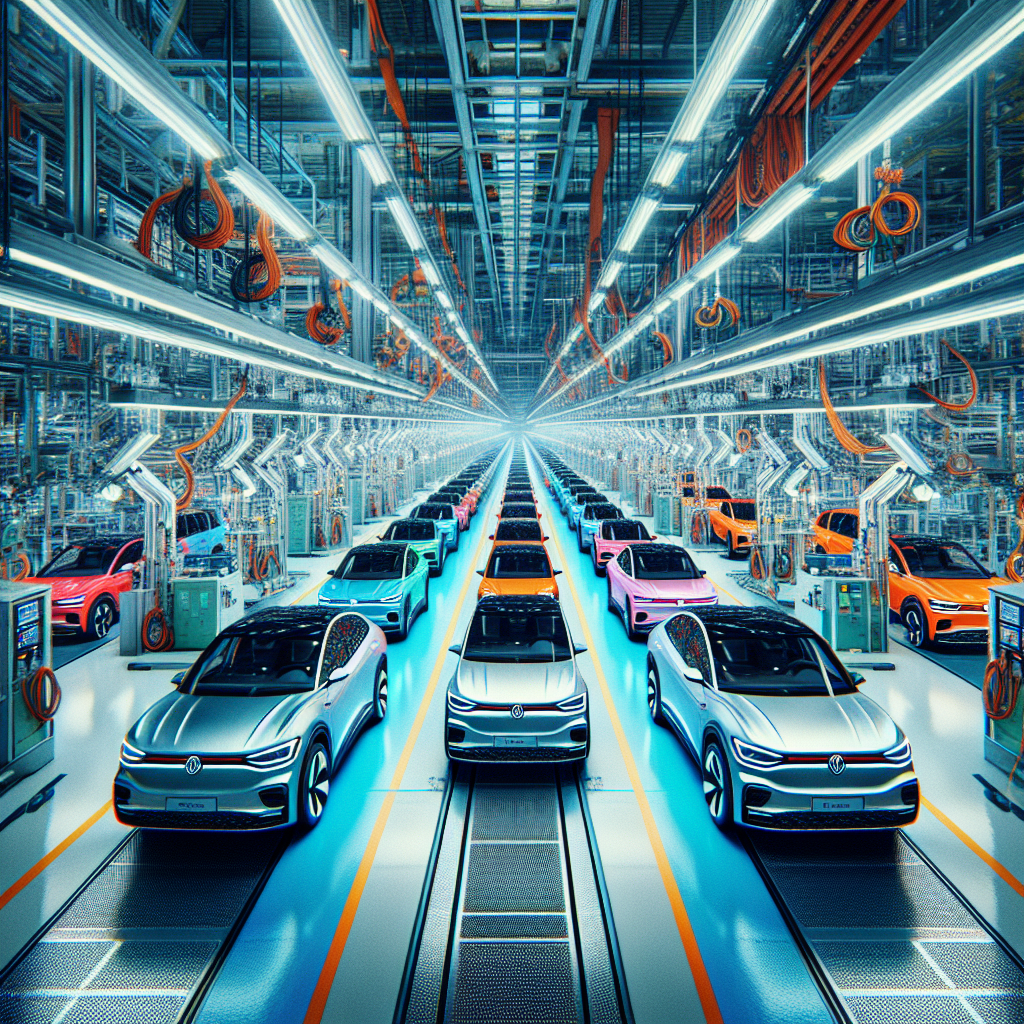
Volkswagen Ditches All-Electric ID.4 in the US: A Move Back to Gas SUVs?
In a surprising turn of events, Volkswagen has announced that it will discontinue the all-electric ID.4 SUV in the US market. This pivot away from electric vehicles (EVs) raises critical questions about the automaker’s long-term strategy and the broader adoption of EV technology. But why is Volkswagen, a company that vocally championed electrification, shifting gears? And what does this mean for the future American EV market? Let’s dive in to uncover the implications.
Why Volkswagen Halted ID.4 Production in the U.S.
The Volkswagen ID.4 has been lauded as a flagship for the automaker’s electric ambitions, embodying a push toward carbon neutrality and sustainable driving. So why the sudden termination in the US? While Volkswagen has not unveiled a detailed explanation, a few factors may have influenced this decision:
- Demand Challenges: Despite growing enthusiasm for EVs, the ID.4 may not have reached VW’s expected sales targets in the highly competitive US EV market.
- Cost Pressures: Manufacturing costs for electric vehicles remain high, from sourcing battery components to assembly line requirements.
- Market Realignment: The recent uptick in demand for gas-powered SUVs across the US likely played a role, especially among consumers prioritizing affordability and vehicle range.
Is This a Temporary Setback or a Long-Term Shift?
Volkswagen’s Global EV Ambitions
Globally, Volkswagen remains invested in EV technology, with plans to electrify up to 70% of its fleet by 2030. The ID.4 itself will continue to be a key offering in Europe and other markets. This suggests the US pivot may reflect market-specific challenges rather than a global reversal.
The US SUV Market Dynamics
In the US, SUVs remain the dominant segment. According to Statista, SUVs accounted for over 50% of all new vehicle registrations in the country in 2022. Learn more about U.S. automotive trends. This consumer preference possibly pushed VW to reconsider its strategy, investing in models better aligned with local tastes.
What Does This Mean for the US Electric Vehicle Market?
The decision to phase out the ID.4 in the US could have ripple effects on the EV market at large. Here are a few possible outcomes:
- Slower EV Adoption: The exit of a high-profile model might deter consumers who were considering electric options.
- Opportunities for Competitors: Automakers like Tesla, Ford, and Rivian could capitalize on this gap by attracting VW’s potential buyers.
- Regulatory Implications: As automakers strive to meet stricter emissions standards, Volkswagen’s shift could draw scrutiny from regulators.
Internal Links to Expand Your Knowledge
To gain further insights into related topics, check out these articles:
Looking Ahead: Will Gas or Electric SUVs Dominate?
Volkswagen’s decision highlights the complex and evolving dynamics of the automotive industry. While EVs are heralded as the future, the American market’s love for gas-powered SUVs cannot be ignored. However, this need not be an either/or scenario. Automakers might need to find a balance, offering a range of models that cater to both eco-conscious drivers and those looking for practicality and affordability.
Conclusion
Volkswagen’s withdrawal of the all-electric ID.4 in the US signals a recalibration in its approach to the American market. While the decision may appear to be a setback for EV enthusiasts, it also serves as a wake-up call to automakers and stakeholders. The success of electric vehicles relies upon not just innovative engineering but also understanding the unique complexities of various markets.
Curious about Volkswagen’s other electric offerings or upcoming models in the US? Stay updated by subscribing to our newsletter and never miss breaking news in the automotive industry!
No responses yet