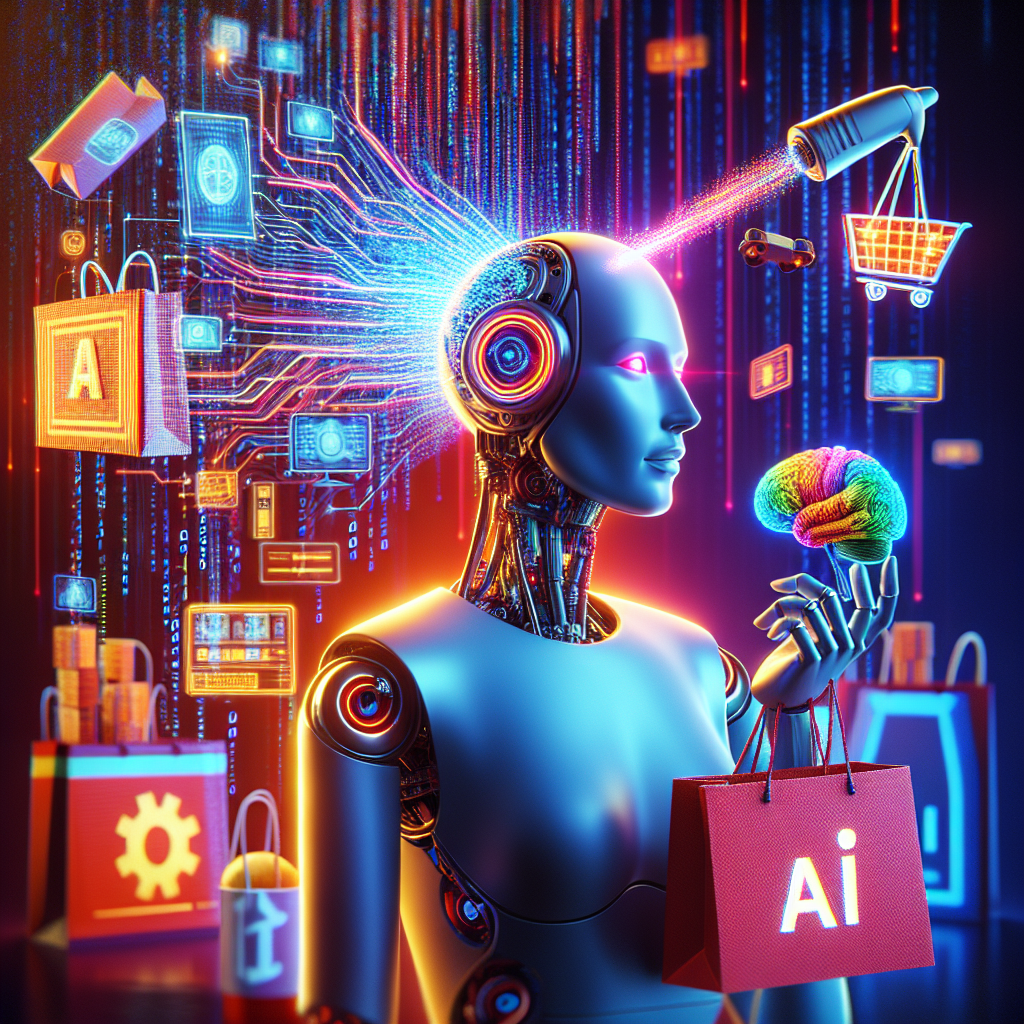
Mark Zuckerberg Teases Agentic Commerce and Major AI Evolution by 2026
Imagine a world where artificial intelligence doesn’t just assist you but actively anticipates your needs—purchasing products, scheduling appointments, or curating personalized recommendations without your input. Is this the next evolution of technology? Mark Zuckerberg believes it is. Recently, Zuckerberg unveiled plans for integrating “agentic commerce” tools alongside a significant artificial intelligence techno-shift projected to transform our lives by 2026. What does this entail? How will it reshape businesses and user interactions worldwide? Let’s explore.
What is Agentic Commerce?
Zuckerberg’s term “agentic commerce” refers to tools and technologies where AI not only supports but autonomously makes decisions on behalf of end-users. These AI “agents” could handle everything from shopping for groceries to high-stakes decisions in business environments. Moreover, this concept promises to blend real-time personalization with robust automation, allowing individuals and companies to focus on other high-value tasks while their AI takes care of the operational intricacies.
How is Agentic Commerce Different?
Unlike existing AI-powered tools, which require direct input from users, agentic commerce involves proactive algorithms. For instance, your AI assistant could recognize when you’re running low on household essentials and automatically order replacements or negotiate better subscription rates for services. This marks a significant jump from AI assistants like Siri or Alexa, which rely on user commands.
The Role of AI in Zuckerberg’s Vision
Zuckerberg’s long-term vision doesn’t stop at agentic commerce. He emphasized how advancements in AI could deeply integrate into personal and professional spaces, charting the evolution from reactive machine learning systems to predictive and decision-making entities. AI in 2026 will not just accompany us; it will be an active participant in shaping outcomes.
- Business Impacts: Businesses could deploy AI agents to optimize supply chains, manage customer interactions, or even devise marketing strategies autonomously.
- Enhanced Personalization: AI systems will leverage advanced data analysis to provide individually tailored experiences at an unmatched efficiency.
- Improving Accessibility: AI could simplify daily life for individuals with disabilities, bridging the accessibility gap in communication, transportation, and commerce.
Zuckerberg also hinted at Meta’s role in spearheading this movement, leveraging their technological ecosystem—spanning social media, virtual reality (VR), and hardware.
A Look at the Challenges
While the promises of agentic commerce and AI are exciting, they come with their own set of challenges, including:
- Privacy Concerns: Autonomous AI decisions rely on extensive data harvesting. How secure will user data be, particularly as AI grows more independent?
- Economic Displacement: The wide-scale automation driven by AI could disrupt workforce dynamics, posing significant challenges to specific job sectors.
- Regulation and Ethics: Complex questions surrounding AI accountability and ethical frameworks will require urgent solutions.
These are critical hurdles policymakers, technologists, and businesses must address collectively before this future becomes mainstream.
Mark Zuckerberg’s Long-Term AI Strategy
Zuckerberg’s announcement also underscores Meta’s strategic position in the AI race. According to Zuckerberg, the company is heavily investing in foundational technologies to unlock this vision by 2026. Notably, he hinted at breakthroughs in natural language processing, predictive analytics, and the integration of VR/AR (Virtual Reality and Augmented Reality) to enhance user experiences.
What This Means for Meta’s Ecosystem
Meta’s platforms—ranging from Facebook to WhatsApp and Instagram—are already massive repositories of user data. By layering advanced AI capabilities, Meta aims to elevate these platforms into proactive ecosystems that extend beyond communication to become personal agents for billions globally.
Curious about Meta’s broader innovation strategy? Check out our in-depth analysis on Meta’s advancements in AI and VR technologies.
Opportunities for Businesses and Developers
With the rollout of tools for agentic commerce, businesses and developers have new opportunities to innovate. By designing software and hardware solutions compatible with this AI-driven ecosystem, companies can significantly enhance customer engagement while streamlining their operations.
For developers, Meta’s expected release of APIs enabling third-party integration with its AI platforms opens new avenues for app creation and functionality enhancement. This aligns with broader industry trends emphasizing an open ecosystem for collaborative innovation.
Interested in the role of AI for entrepreneurs? Read our guide on how artificial intelligence is transforming small businesses.
Preparing for 2026: What Should You Do Now?
As more updates roll out in the coming years, businesses and individuals must adapt proactively. Whether through upskilling in AI technologies, integrating data-driven decision-making into workflows, or monitoring privacy best practices, preparation today could spell exponential benefits tomorrow.
Need practical advice on staying ahead? Don’t miss our recommendations on adapting your career to future technologies.
Conclusion: The Future Awaits
Zuckerberg’s vision for agentic commerce and the role of AI in transforming our interactions with technology is undeniably ambitious. By 2026, autonomous AI systems could create a foundational shift in how individuals and businesses operate. While challenges like privacy and ethics loom large, the benefits—ranging from enhanced productivity to deeply personalized experiences—paint an optimistic picture of the road ahead.
As we approach this unprecedented AI evolution, staying informed and prepared is essential. Are you ready to embrace an AI-driven world? Start taking the steps today to secure your place in that future.
Want to dive deeper? Sign up for our newsletter to stay updated on the latest tech developments and tips for thriving in an AI-centric society.
No responses yet