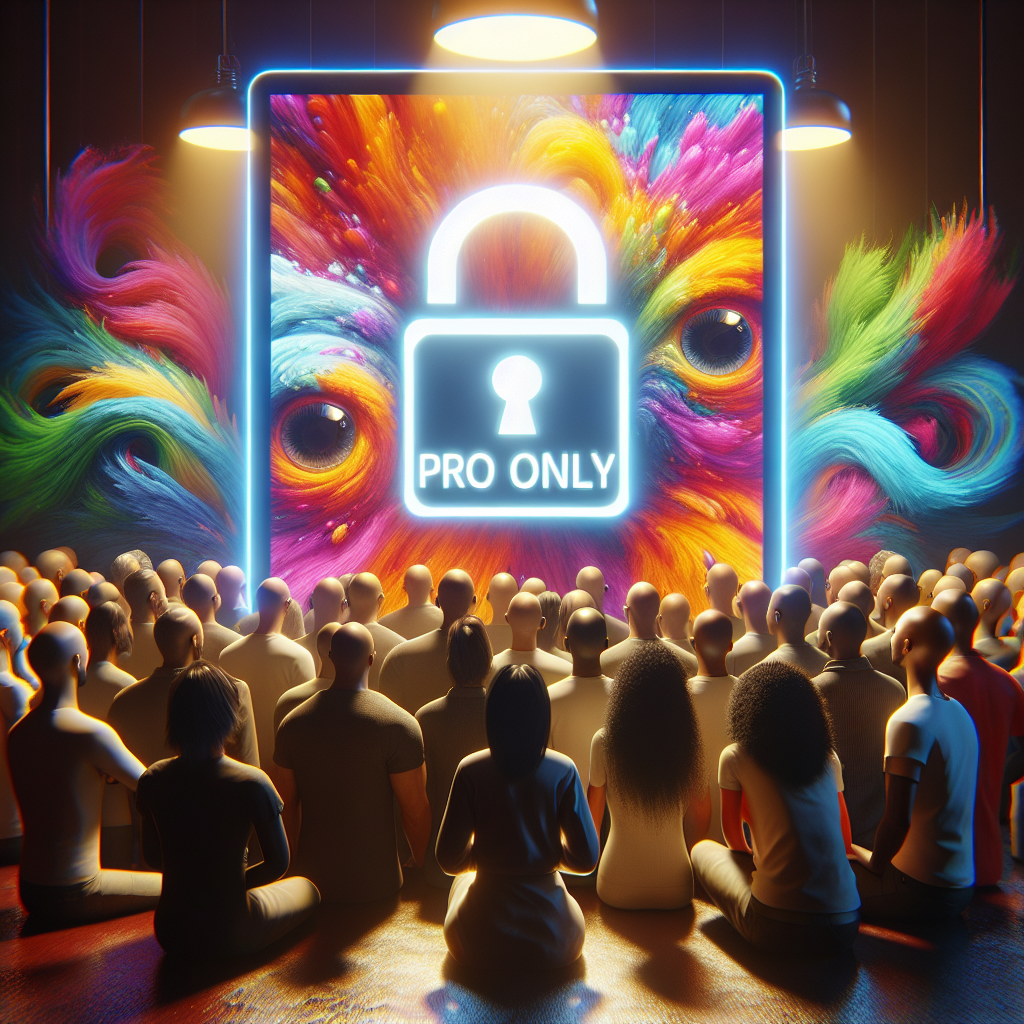
X’s Grok Image Generation Restricted to Paying Subscribers: A Game-Changing Decision
Introduction: Why Did X’s Decision Spark Controversy?
Imagine having your creative tools suddenly placed behind a paywall. This scenario became a reality for users of Grok, X’s AI-powered image-generation tool, when the platform abruptly restricted its functionality to paying subscribers.
Why did X make this decision, and how has it impacted its user base? Whether you’re a digital artist or part of the wider tech audience, this move raises crucial questions about accessibility and the future of AI tools.
If you’re wondering about the motivations behind the controversial update and its implications, read on as we dig deeper.
The Move: What X Did with Grok Image Generation
The controversy began on January 9, 2026, when X—formerly known as Twitter—announced that its cutting-edge AI image-generation feature, Grok, would now only be available to paying subscribers. Before this move, the tool was free to all users, enabling millions to create AI-generated images with ease.
From Open Access to Subscription-Only
This sudden shift marks an attempt by X to monetize its AI tools as part of its broader strategy to encourage premium memberships. Grok’s popularity among users was substantial, and providing free access not only enhanced user engagement but also generated positive buzz for the platform. However, the recent update has upset many, with critics arguing that it signals a step backward for equitable access in the digital landscape.
According to TechCrunch’s report, the backlash was swift, with users expressing their disappointment both on X and other social platforms.
Why Did X Restrict Grok to Paying Subscribers?
X’s decision isn’t entirely unfounded—it aligns with its larger goal of building a sustainable revenue model. Since Elon Musk’s acquisition of Twitter in late 2022 and its subsequent rebranding as X, the platform has focused on diversifying its income streams through subscriptions.
- Monetization of Key Features: By restricting Grok to premium subscribers, X ensures its high-value services are targeted at paying users.
- Cost Management: AI tools like Grok require substantial computational resources. Monetization could offset these costs.
- User Segmentation: Providing exclusive features to subscribers could enhance the perceived value of X’s subscription model.
Despite these justifications, the backlash highlights challenges in balancing revenue goals with user expectations. The decision raises concerns about whether AI innovation is being locked behind paywalls, creating a digital divide.
User Reactions: The Fallout of X’s Decision
The restriction of Grok’s image generation has drawn ire from both casual users and professional creators who rely on the tool for their work. Social media exploded with reactions, with trends like #FreeGrok reflecting widespread discontent. Some key sentiments include:
- Digital Artists Affected: Many digital creators, who leveraged Grok for personal projects or prototypes, have voiced concerns about being priced out.
- Casual Users Alienated: Everyday users enjoyed Grok for fun and personal expression, adding to the criticism against X’s paywall strategy.
- Calls for Transparency: Users have demanded clearer communication about how subscription revenue will be reinvested into improving the platform.
In contrast, some tech analysts see this as a viable business model, likening it to subscription strategies employed by other major platforms like Canva and Adobe Creative Cloud.
The Bigger Picture: Monetization in the Age of AI
X’s decision sparks an important debate: should essential or widely popular AI tools remain universally accessible, or is monetization inevitable? As AI continues to permeate creative and professional industries, the question of accessibility becomes increasingly relevant.
X’s Strategy vs. Competitor Offerings
X is not the first to implement a paywall for advanced tools. Popular platforms like MidJourney and OpenAI’s DALL-E have embraced monetization from the outset, offering limited free tiers with paid subscriptions for pro features. What sets X apart, however, is the abruptness of its policy change, which users argue shows a lack of consideration for its broader audience.
Interestingly, this decision could backfire in a competitive environment. Platforms such as Canva or pictriev continue to offer free, albeit limited, high-quality image generation capabilities as a hook to retain non-paying users while also courting premium subscribers. X might risk alienating its current users if it fails to provide an alternative.
What’s Next for X and Its Users?
While the move to restrict Grok’s access may generate revenue for X, its long-term success depends on balancing monetization with user satisfaction. Future steps could include:
- Introducing tiered pricing models to accommodate a wider range of users.
- Offering free trials or a limited version of Grok to foster goodwill.
- Enhancing communication and transparency about how subscription funds are utilized.
Closing the Loop: What Does This Mean for You?
At its core, X’s decision to restrict Grok’s image generation to paying subscribers reflects a growing trend in tech: the monetization of previously free tools. Whether you agree with this approach or see it as a barrier to creativity, it’s clear that AI technology is entering a new era where financial trade-offs will increasingly define user access.
Are you a digital creator or casual user wondering how this change affects you? Perhaps now is the time to explore alternative platforms or reconsider the value of premium subscriptions. If you want further insights into AI-powered platforms, consider checking out our guide to free image generation tools for practical alternatives.
Stay informed, weigh your options, and make the most of the evolving tech landscape—it’s the key to thriving in an AI-driven world.
No responses yet