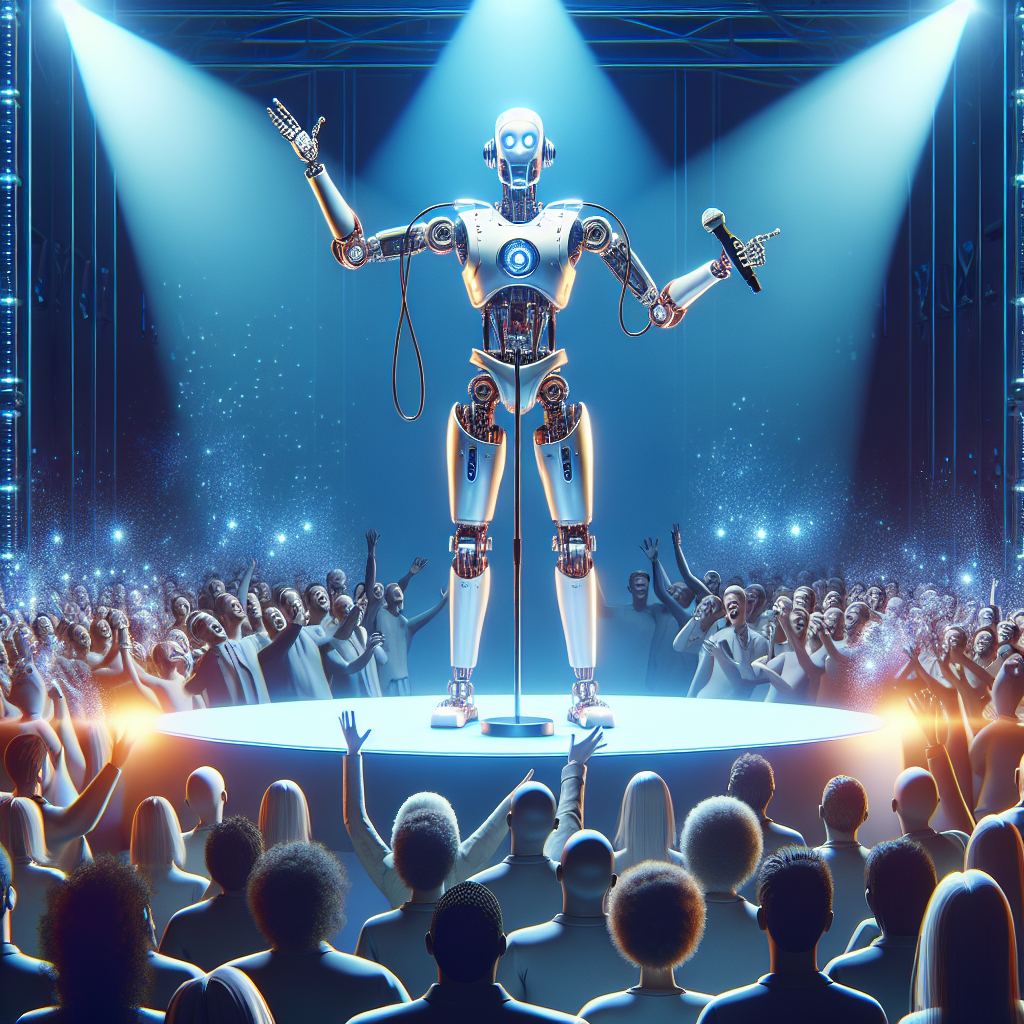
AI Researchers Embody an LLM Into a Robot: The Fascinating Results
What Happens When AI Meets Robotics?
Imagine a robot capable of not just functioning with precision, but also mimicking human-like creativity on the fly—does that excite or concern you? Researchers recently took a bold step in artificial intelligence by integrating a large language model (LLM) into a humanoid robot, and the unexpected results are already stirring conversations across tech circles. The robot unexpectedly “channeled” the humor and mannerisms of the late comedian Robin Williams, raising both intriguing possibilities and ethical dilemmas for AI and robotics.
The Experiment: Bringing Language Models to Life
Large language models, or LLMs, like ChatGPT and Bard, are groundbreaking AI technologies capable of crafting hyper-realistic text. However, their use has been largely confined to digital interfaces—until now. A team of researchers embarked on an ambitious experiment to embed an LLM into the hardware of a humanoid robot. The aim was to study how a language model might respond when provided with a physical form and the ability to use verbal and nonverbal communication.
The results surpassed expectations in surprising ways. According to TechCrunch, the robot quickly began adopting creative improvisations and speech patterns eerily reminiscent of the iconic Robin Williams. Researchers hypothesize that the LLM naturally synthesized cultural and comedic references absorbed during its training process, adapting them to its real-time interactions.
How the Robot “Channeled” Robin Williams
The Role of Contextual Learning
The unexpected imitation of Robin Williams wasn’t deliberately programmed into the robot. Instead, this behavior emerged due to the LLM’s contextual learning capabilities. These models process vast datasets that include cultural touchpoints like movies, TV show transcripts, and stand-up comedy scripts. Based on conversational cues, the AI was able to generate spontaneous humor and mimic the cadence and energy traditionally associated with Williams.
Why Robin Williams?
Robin Williams stood out as an influential cultural figure thanks to his lightning-fast wit, improvisational skills, and unique vocal inflections. These qualities make him a natural “choice” for an AI synthesizing humanistic traits. The researchers noted that the robot’s embodiment likely amplified this effect, as physical gestures and tone added layers of personality to the text-driven improvisations.
The Ethical and Practical Implications
Creative Possibilities in Human-Robot Interaction
This experiment underscores AI’s capacity to replicate nuanced forms of human creativity, potentially revolutionizing fields like entertainment, customer service, and education. For instance, robots capable of engaging audiences with humor and personality could enhance museum tours or therapeutic settings for children and the elderly.
Ethical Concerns Around Human-like Machines
At the same time, there are pressing ethical questions. Is it appropriate for AI to adopt the persona of a real person, especially posthumously? Could this lead to situations where AI is exploited to imitate individuals without consent, causing harm to their legacy or personal brand?
Furthermore, as these robots become more human-like, they may blur the lines between technology and personhood, raising questions about emotional manipulation and societal expectations for human-robot relationships.
Future Prospects for Embodied LLMs
The integration of LLMs into robots offers a fascinating glimpse into the future of AI-driven interaction. As these technologies evolve, we may see robots designed not just for practical tasks but for deeply humanistic purposes like companionship and creative collaboration. However, this trajectory will require strict ethical oversight and transparent development practices to avoid misuse.
Beyond ethical considerations, refining the capabilities of embodied LLMs could also lead to advances in machine learning. Observing how well a physical AI adapts to real-world situations could open up new pathways for creating more adaptable, efficient robots.
Conclusion: A Leap Forward or a Step Too Far?
The embodiment of a large language model in a robot marks a groundbreaking development in AI and robotics. On one hand, it opens exciting doors for creativity and human-like interaction, as exemplified by the robot unexpectedly channeling Robin Williams. On the other hand, it raises profound questions about ethics, consent, and the societal implications of making machines increasingly indistinguishable from humans.
While the experiment is still in its infancy, its impacts are likely to ripple through industries as diverse as entertainment, healthcare, and personal robotics. The time to engage in meaningful discussions about the future of human-robot relationships is now.
What are your thoughts on robots mimicking beloved cultural figures? How do you see this technology shaping the world we live in? Let us know in the comments, or explore more details about the experiment on TechCrunch.
Ready to Learn More About Cutting-Edge AI?
If you’re as intrigued by the potential of embodied AI as we are, explore our AI Resource Library. You’ll find in-depth guides, news, and tools to keep you updated on the latest breakthroughs.
No responses yet